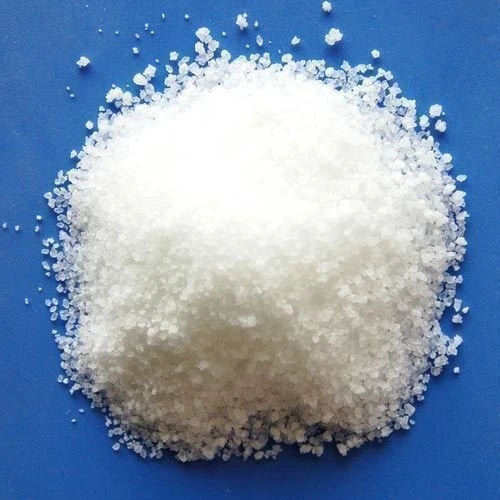
Ammonium chloride, traditionally known as sal ammoniac, has long been recognized as a cornerstone inorganic salt across the chemical industry. Characterized by its crystalline white appearance, high water solubility, and mildly acidic aqueous profile, this compound provides essential structural and chemical functionality in numerous industrial reactions. An in-depth analysis of ammonium chloride in chemical manufacturing demonstrates that it is far more than a simple reagent; it acts as a catalyst, buffering agent, and primary source of nitrogen and chloride ions in the synthesis of varied commercial products.
The relentless advancement of the process industries has heightened the demand for high-purity, cost-effective chemical intermediates. Owing to its consistent assay and ease of handling in both batch and continuous processes, ammonium chloride occupies a strategic position in production lines. Mastering its thermodynamic and kinetic behavior allows chemical engineers to optimize complex reaction sequences with remarkable precision.
Chemical Nature and Behavior in Industrial Processes
Possessing the molecular formula NH4Cl, ammonium chloride features an ionic crystal lattice formed by ammonium (NH4+) and chloride (Cl-) ions. It dissolves rapidly in water to yield a mildly acidic solution, as the ammonium cation acts as the weak conjugate acid of ammonia. This controlled, mild acidity underpins many of its applications as a pH regulator in chemical reactors.
Unlike strong mineral acids such as nitric acid, ammonium chloride releases protons in a regulated manner, preventing localized acid shocks in sensitive reaction media. This makes it an ideal reagent where precise pH maintenance is mandatory. Furthermore, the thermal dissociation of solid ammonium chloride yields controlled gaseous streams of hydrogen chloride and ammonia, offering distinct processing advantages in specialized vapor-phase syntheses.
Applications in Chemical Manufacturing and Organic Intermediates
One of the most prominent uses of ammonium chloride is in synthesizing pharmaceutical intermediates and specialty petrochemicals. In organic synthesis, ammonium chloride functions as an accessible, mild Brønsted acid to catalyze fundamental transformations such as alkylation and esterification. Utilizing ammonium chloride as a catalyst substantially lowers downstream neutralization and effluent processing costs.
In the synthesis of heterocyclic compounds and pyridine derivatives, ammonium chloride serves as a dependable nitrogen source for ring-closure reactions. These transformations require rigorous control over temperature and stoichiometric ratios to suppress unwanted side reactions. Alongside reagents such as urea, ammonium chloride accounts for a substantial share of indirect industrial nitrogen-functionalization routes.
Synthesis of Dyes and Chemical Pigments
The colorant and textile auxiliary manufacturing sectors are regular industrial consumers of ammonium chloride. It is widely employed during the synthesis of azo dyes and the diazotization of aromatic amines, where the salt's buffering capacity stabilizes diazonium intermediates in aqueous media.
Moreover, in the production of titanium-based pigments and chromium derivatives, ammonium chloride functions as a controlled precipitating agent. Tailoring pigment crystal size and distribution relies heavily on governing chloride ion release in the presence of ammonium buffer systems.
Synthesis of Ammonium Salts and Coordination Complexes
Ammonium chloride serves as a foundational precursor for deriving other ammonium compounds across the inorganic chemicals value chain. Reacting ammonium chloride with metal bases regenerates high-purity ammonia gas, which is subsequently directed into producing specialized amines and fertilizer-grade phosphates. For instance, in manufacturing phosphate derivatives such as monoammonium phosphate, access to high-purity ammonium feeds is critical.
Additionally, ammonium chloride plays an established role in coordination chemistry, notably in the synthesis and recovery of cobalt, platinum, and nickel complexes. Acting either as an indirect ligand or as an ammoniacal background electrolyte in aqueous systems, it facilitates the selective hydrometallurgical separation of precious and base metals from leached liquors.
Metathesis Reactions in Industrial Salt Production
In the specialty salts sector, ammonium chloride undergoes metathesis (double displacement) with nitrates and carbonates. These reactions are carried out under targeted saturation and temperature conditions to selectively crystallize the less soluble target salts. Key applications include:
- Manufacturing zinc chloride and tin chloride for the galvanizing and surface-finishing sectors
- Formulating pharmaceutical-grade biological buffer salts
- Synthesizing heterogeneous supported metal catalysts on alumina substrates
- Producing synthetic adsorbent powders and silicate molecular sieves
Role in Electrochemical Processes and Chemical Metallurgy
Electrochemical reduction, refining, and plating processes depend heavily on electrolyte ionic strength. Ammonium chloride elevates the electrical conductivity of zinc, cadmium, and copper electroplating baths without triggering the precipitation of unwanted metal hydroxides. In extractive metallurgy, ammonium chloride is employed in chloridizing roasting of complex ores to convert target heavy metals into soluble or volatile metal chlorides.
These metallurgical flowsheets are frequently paired with alkaline scrubbing systems utilizing reagents such as caustic soda flakes for effluent neutralization and waste management. Evaluating electrolyte performance illustrates how the industrial use of ammonium chloride alongside potassium chloride in chemical industries constitutes two complementary approaches to formulating robust industrial process electrolytes.
Formulation of Synthetic Resins and Polymer Adhesives
The engineered wood, MDF, and particleboard industries rely extensively on thermosetting formaldehyde-based resins. Ammonium chloride remains the standard, most economical hardening catalyst for urea-formaldehyde and melamine-formaldehyde systems. Upon addition to the resin blend, ammonium chloride reacts with residual free formaldehyde to generate hexamethylenetetramine and dilute hydrochloric acid in situ.
The liberated hydrochloric acid rapidly drives the cross-linking reaction of the polymer chains, accelerating cure times in high-speed industrial presses. This mechanism makes ammonium chloride indispensable on continuous board-production lines. However, dosage must be strictly calibrated to avoid over-acidification, which causes resin embrittlement and compromises mechanical integrity.
Ammonia Recovery and Closed-Loop Synthesis
In modern petrochemical and acid manufacturing plants, reclaiming halide streams is critical for operational efficiency and environmental compliance. Ammonium chloride is produced in high volumes as a co-product of the Solvay soda ash process, after which it is typically reacted with calcium hydroxide to recover ammonia. Modern engineering paradigms increasingly divert these streams toward refining ammonium chloride into a purified merchant chemical rather than treating it merely as an internal recycle loop.
Developing integrated operations, in line with insights on the role of nitric acid in chemical manufacturing, allows chemical complexes to extract maximum value from nitrogenous and halogenated feedstocks while sharply curtailing hazardous effluent discharge.
Quality Standards, Packaging, and Storage Requirements
The physical and chemical assay of ammonium chloride directly influences reaction kinetics and yield. Contamination by heavy metals—such as iron or lead—or excessive moisture content can poison sensitive catalysts and cause discoloration in synthetic intermediates. Industrial procurement teams therefore specify verified technical or analytical grades with defined limits on water-insoluble matter and trace metals.
Because ammonium chloride is inherently hygroscopic, prolonged exposure to ambient humidity results in agglomeration and severe caking. The following storage protocols must be maintained:
- Packaging in multi-wall polypropylene bags lined with a high-density polyethylene moisture barrier
- Storage on clean wooden or plastic pallets, set back from warehouse walls to ensure perimeter airflow
- Continuous ventilation to disperse trace acidic vapors resulting from localized micro-hydrolysis
- Complete physical segregation from strong oxidizers, inorganic nitrites, and concentrated caustic alkalis
Future Outlook in Modern Chemical Synthesis
The industrial trajectory of ammonium chloride is expanding under the influence of green chemistry principles, which favor substituting volatile, hazardous mineral acids with safer solid donors. Being a stable, dry crystalline salt, ammonium chloride presents significantly lower handling, shipping, and storage hazards than fuming liquid acids. Consequently, industrial researchers increasingly deploy it as a solid acid source in heterogeneous catalytic beds and emerging solvent-free synthetic protocols.
From coordinating transition metals to accelerating polycondensation resins and buffering electrodeposition baths, ammonium chloride remains a versatile, cost-effective pillar of the chemical process industries. Procuring material of sustained purity and certified specifications ensures operating continuity, prolongs capital equipment life, and maintains tight quality control across downstream industrial lines.
Matin Badi writes the technical articles on the Moltichem blog, covering the industrial and agricultural uses of chemicals, their properties, and their safe storage and handling.
Author page