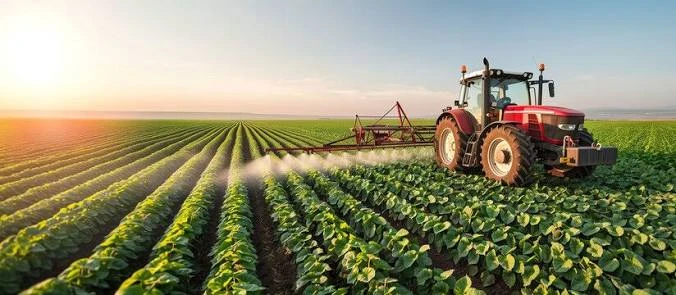
The agricultural applications of boric acid center on supplying the essential micronutrient boron to support pollination, fertilization, cell division, and cell wall stability in crops. Due to its high water solubility, boric acid is one of the most accessible chemical compounds for remedying boron deficiencies in arable and orchard soils via foliar spraying and fertigation.
As a supplier of boric acid and related chemical feedstocks, Moltichem provides the technical and analytical insights required by industrial producers and agricultural operators to optimize the physiological functions of this input.
Physiological Significance of Boron in Plant Cell Structure
Boron (B) is a micro-element that remains fundamental to both vegetative and reproductive development across all plant species. It forms cross-linked di-ester complexes with pectin molecules in the primary cell wall, imparting structural rigidity and elasticity to young tissues. Without sufficient boron availability, meristematic tissue development and vascular bundle differentiation cease, halting the plant's capacity to initiate new organs.
The translocation of synthesized sugars and carbohydrates from source leaves to metabolic sinks, such as roots and developing fruit, is also heavily dependent on borate ions. The interaction of boron with plasma membranes facilitates substrate transport via membrane-bound proton pumps. Furthermore, this element regulates and balances auxin (indole-3-acetic acid) levels, preventing toxic localized accumulations at apical growing points.
Direct Role of Boric Acid in Fertility, Flowering, and Fruit Set
The highest physiological requirement for boron occurs during bud break, anthesis, and pollen tube elongation. Agricultural applications of boric acid during this critical window markedly improve fertilization rates and fruit set. Pollen grains exhibit higher germination velocity under adequate concentrations of this compound, allowing the pollen tube to grow toward the ovary without rupture.
In commercial orchards, abnormal blossom drop or premature fruitlet shedding frequently stems from impaired pollen viability induced by transient boron deficits. The timely application of dilute boric acid solutions prior to full bloom prevents kernel deformity and genetic abortion of seeds. This process supports uniform fruit tissue development and allows the crop to reach its target yield potential per hectare.
Additionally, boron functions synergistically with calcium during shell and pericarp development. Applying boron carriers alongside fertilizers such as calcium nitrate aids the xylem-mediated translocation of calcium, mitigating physiological disorders in storage tissues. This structural interaction is examined in detail in Calcium Nitrate Application in Agriculture: Benefits and Usage Methods.
Clinical Symptoms of Boron Deficiency and Field Diagnosis
Boron deficiency is widespread in light-textured, sandy soils subject to heavy leaching, as well as in soils with alkaline pH and high active calcium carbonate levels. Because boron exhibits low phloem mobility in most woody plants, deficiency symptoms appear first in young, actively growing tissues near the shoot tips. Accurate visual and laboratory identification assists in designing an effective fertilization schedule.
Characteristic field symptoms of boron deficiency in crops and fruit trees include:
- Death of the terminal meristem followed by a "witch's broom" growth habit due to lateral shoot proliferation
- Deep bark cracking on stems and scaffold limbs, often accompanied by gum exudation in orchard trees
- Internal browning and corky core development in fruit flesh, particularly in apple and citrus cultivars
- Hollow heart and internal blackening in taproots and stems of crops such as sugar beet and oilseed rape
- Premature blossom abscission and the production of small, misshapen fruit lacking viable seed
| Plant Organ | Boron Deficiency Symptom | Final Impact on Yield |
|---|---|---|
| Terminal bud | Cessation of growth and shoot tip dieback | Impaired branch architecture |
| Flowers and stamens | Reduced pollen grain viability | Sharp decline in flower-to-fruit set |
| Fruit tissue | Corky internal flesh and external cracking | Unmarketable appearance and post-harvest decay |
| Root system | Arrest of lateral root branching | Diminished water and nutrient uptake capacity |
Application Methods and Guidelines for Boric Acid in Agriculture
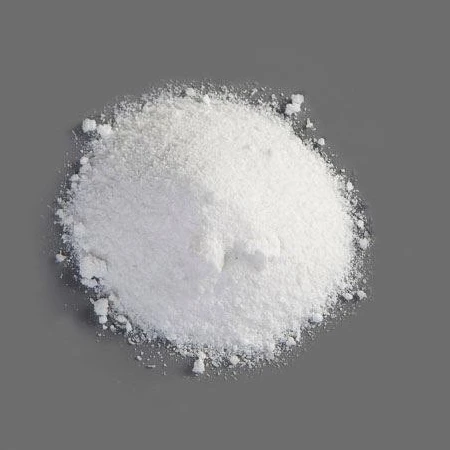
Boric acid, with the chemical formula H₃BO₃ and a molar mass of 61.83 g/mol, is a white crystalline powder that behaves as a weak Lewis acid in aqueous solution. It is incorporated into farming operations, orchards, and greenhouse systems through two primary routes, determined by soil characteristics and crop phenology. Chemical soil analysis is essential prior to field application.
The first approach is foliar spraying, which delivers boron directly to reproductive structures. Foliar treatments are typically scheduled at bud swell in late winter or early spring, as well as post-harvest to accumulate reserves within floral buds for the subsequent season. Given the low mobility of boron within the phloem of many woody species, targeted foliar feeding yields immediate biological response.
The second method is soil application through fertigation. Here, fully dissolved boric acid is injected into pressurized irrigation systems, moving with the wetting front directly to the rhizosphere. Careful water management is required in sandy profiles, as borate anions are susceptible to leaching, and excessive movement into subsoil layers poses environmental and agronomic challenges.
The Narrow Margin Between Optimal Nutrition and Boric Acid Toxicity
A governing principle in applying boric acid is the plant's sensitivity to boron concentration ranges within tissue and soil solution. The threshold between deficiency, sufficiency, and phytotoxicity is exceptionally narrow. When applied rates exceed the physiological tolerance of the crop, tissue necrosis replaces growth.
Symptoms of boron toxicity include:
- Chlorosis followed by necrotic burn along the margins and tips of older leaves
- Inward cupping and downward rolling of the leaf blade
- Premature senescence and severe defoliation of functional canopy
- Vascular breakdown and inhibition of cellular respiration
In areas where irrigation water carries high native concentrations of dissolved boron, using boric acid is strictly contraindicated. Rigorous analytical testing of soil and water sources to determine boron levels in parts per million (ppm or mg/L) must precede any chemical intervention. For details on industrial processing of this chemical, refer to Applications of Boric Acid in Glass and Fiberglass Manufacturing.
Safety, Health, and Environmental Considerations
While boric acid is chemically mild compared to strong mineral acids, international regulatory standards classify it as a substance with reproductive toxicity hazard classifications (Toxic to Reproduction). Inhalation of airborne dust, chronic dermal exposure, or ingestion presents documented biological hazards.
Standard personal protective equipment (PPE)—including dust respirators, safety goggles, and chemical-resistant gloves—must be worn during batch weighing, mixing, and sprayer tank preparation. Bags should be stored in dry, cool, well-ventilated dedicated warehouses, separated from food, animal feed, and incompatible materials. Concentrated boric solution washings or operational effluent must not be discharged into surface waterways or accessible groundwater aquifers.
Conclusion and Boric Acid Sourcing Guide
Boric acid is an effective chemical source for meeting the micronutrient demands of high-yield crops, stabilizing pollination efficiency, and preventing structural physiological disorders. Due to the rapid onset of toxicity and applicable regulatory handling guidelines, dosage precision and proper PPE protocols are required during all operational stages.
Moltichem supplies industrial- and agricultural-grade boric acid to fertilizer manufacturers, agricultural distributors, and commercial growers. Technical buyers, agronomists, and production managers may contact our sales department to review certificates of analysis (COA), safety data sheets (MSDS), or request a quote for scheduled shipments.
Matin Badi writes the technical articles on the Moltichem blog, covering the industrial and agricultural uses of chemicals, their properties, and their safe storage and handling.
Author page