

Ammonium Chloride (Sal Ammoniac)
Technical specifications
| Chemical formula | NH4Cl |
|---|---|
| Molar mass | 53.49 g/mol |
| CAS registry number | 12125-02-9 |
| Appearance | White crystalline or granular powder |
| Density | 1.53 g/cm³ |
| Solubility in water | 383 g/L (at 25 °C) |
| Sublimation temperature | 338 °C |
Product description
Ammonium chloride, known historically and industrially as sal ammoniac, is an essential and versatile inorganic salt with the chemical formula NH4Cl. Produced as an odorless, white crystalline powder, it plays a vital role across the chemical, metallurgical, and agricultural sectors thanks to its mildly acidic nature in aqueous solution and its capacity to release chloride and ammonium ions. Its distinctive sublimation behavior and thermal profile make it a strategic material in modern manufacturing.
The metallurgical, water treatment, and textile industries rely steadily on this compound to calibrate the chemical parameters of their processes. Within the supply chain of basic chemical raw materials, a dependable supply of this salt alongside compounds like potassium chloride is fundamental to continuous production line operations. Understanding its physical and chemical properties and practical applications enables engineers and procurement managers to make precise selections tailored to their processing requirements.
Properties and Technical Specifications of Ammonium Chloride (Sal Ammoniac)
Sal ammoniac appears as colorless crystals or a white powder with a cubic crystalline structure, exhibiting high solubility in water. Its dissolution process is strongly endothermic, causing a noticeable drop in solution temperature. Due to the partial hydrolysis of the ammonium ion, aqueous solutions of ammonium chloride are mildly acidic (pH approximately 4.5 to 5.5), an attribute advantageous in various metal surface preparation and cleaning operations.
One of its most distinctive physical properties is its thermal behavior. The salt lacks a defined melting point under standard atmospheric pressure; instead, it sublimates at 338 °C, dissociating into ammonia and hydrogen chloride gases. As temperatures decrease, these two gases recombine to regenerate the original white crystals. This reversible chemical behavior is utilized extensively in formulating welding and galvanizing fluxes.
Industrial and Metallurgical Applications of Sal Ammoniac
Owing to its surface-cleaning and fluxing properties, ammonium chloride finds widespread industrial use:
- Metal Processing and Galvanizing: Sal ammoniac serves as a flux in hot-dip galvanizing, tin plating, and soldering. It removes metal oxide layers from substrate surfaces, promoting proper adhesion of molten zinc coatings to steel.
- Dry-Cell Battery Manufacturing: In classic Leclanché (zinc-carbon) batteries, ammonium chloride functions as the primary electrolyte, delivering the ionic conductivity required for the underlying electrochemical reactions.
- Textile and Fabric Printing Industries: It is employed as an auxiliary in dyeing, dye-fixing, and cotton fabric printing, establishing an acidic environment optimal for pigment fixation.
- Water Treatment Industry: It is utilized in industrial pH regulation and the targeted removal of specific contaminants, complementary to the role alkaline chemicals such as caustic soda flakes play in wastewater processing.
Furthermore, ongoing industrial demand includes applications in leather tanning, plywood adhesive formulations, and as a curing agent in urea-formaldehyde resin systems.
Agricultural, Food, and Pharmaceutical Applications
In agriculture, sal ammoniac provides an effective dual source of nitrogen and chlorine for crops such as paddy rice. While fertilizers such as urea or compounds like monoammonium phosphate see broader general use, ammonium chloride presents a cost-effective option for alkaline soils and chlorine-tolerant plant varieties.
In pharmaceutical and food grades, it is used as an expectorant in cough formulations, as a systemic acidifying agent in pharmacotherapy, and as a dough conditioner and yeast nutrient in commercial baking under food additive code E510. Stringent purity compliance and adherence to pharmacopeial standards are mandatory for these end uses.
Safety, Packaging, and Purchasing Guidelines for Sal Ammoniac
Ammonium chloride is hygroscopic. Exposure to ambient atmospheric moisture causes caking and clumping, which disrupts continuous automated feeding lines. Consequently, commercial grades are packaged in 25 kg double-layer laminated bags stacked on pallets to prevent moisture ingress.
Handling personnel must wear safety glasses, protective gloves, and dust masks, as airborne particulates can irritate the eyes and respiratory tract. When sourcing sal ammoniac, commercial procurement teams should inspect the Certificate of Analysis (COA) to verify assay percentage, moisture content, and heavy metal limits against their production specifications.
Moltichem provides a dependable industrial supply of high-purity ammonium chloride backed by technical documentation. Chemical buyers and procurement professionals are invited to contact our team to review technical specifications, confirm inventory availability, and place commercial orders.
Frequently asked questions
What is sal ammoniac and how does it differ from other ammonium salts?
Sal ammoniac is the traditional and commercial name for ammonium chloride, with the chemical formula NH4Cl. Compared to other ammonium compounds such as ammonium sulfate, this inorganic salt features high sublimation capability and a distinct acidity in aqueous solutions, making it ideal for metallurgical and metal-plating applications.
What is the minimum order quantity and purchase procedure for ammonium chloride from Moltichem?
Moltichem supplies ammonium chloride in small quantities for laboratory testing as well as in industrial tonnages for production lines. Industrial buyers can place bulk orders after receiving technical Certificates of Analysis (COA) and verifying standard compliance.
What are the safe warehouse storage conditions for ammonium chloride?
Ammonium chloride is a hygroscopic material that cakes rapidly when exposed to open air. It must be stored in dry, cool, well-ventilated warehouses away from alkaline substances and strong oxidizing agents.
Can sal ammoniac sublimate at ambient room temperature?
No, ammonium chloride is stable at normal ambient temperatures. Its sublimation process occurs at temperatures above 338 °C, decomposing upon heating into ammonia and hydrogen chloride gases.
Related products
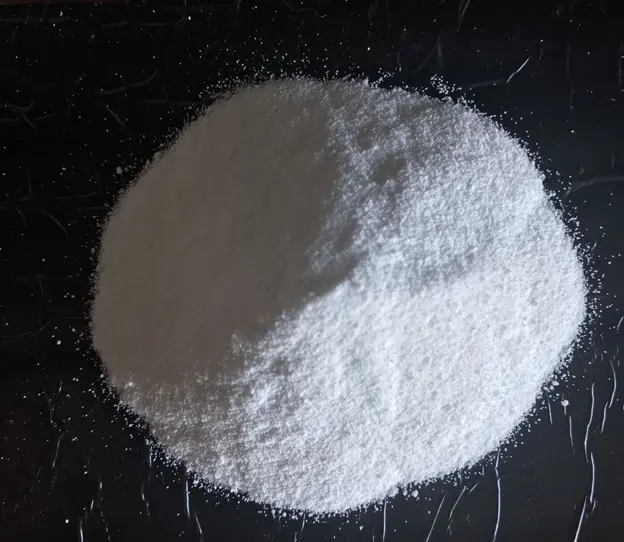
Potassium Chloride
High-purity potassium chloride (KCl) for fertilizers, food processing, pharmaceuticals, and chemical synthesis. Reliable supply from Moltichem.
View product
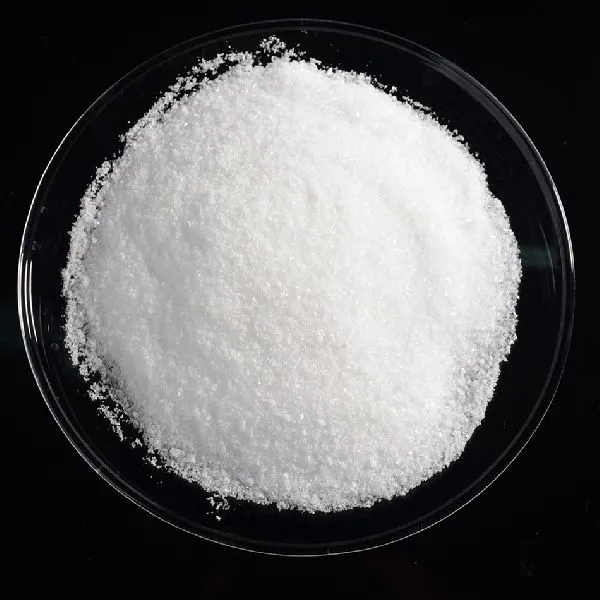
Calcium Nitrate
Technical specifications, industrial applications, and agricultural uses of high-purity calcium nitrate supplied by Moltichem.
View product
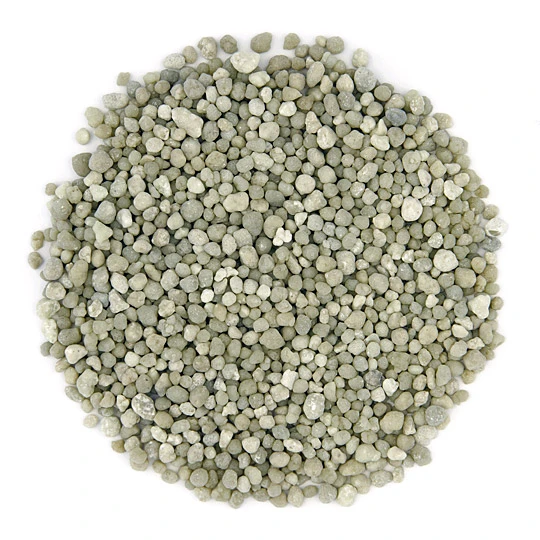
Diammonium Phosphate (DAP)
Diammonium phosphate (DAP) is a widely used phosphate compound in agricultural and chemical industries, supplied at the highest quality.
View product
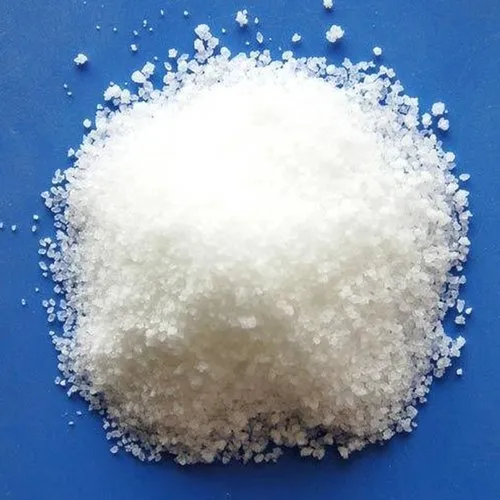
Monoammonium Phosphate
High-purity monoammonium phosphate (MAP, NH4H2PO4) supplying nitrogen and phosphorus for fertilizers, flame retardants, and industrial uses from Moltichem.
View product
Related articles
How to order
Choose one of the two options below, depending on the quantity you need.
Bulk orders
For bulk, industrial and high-volume purchases, contact our sales team directly for a current price, shipping terms and volume discounts.
- Minimum bulk order: 50 kg (50 litres for liquids)
- Tiered discounts based on order volume
- Freight delivery anywhere in Iran