
Nitric Acid
Technical specifications
Product description
What Is Nitric Acid and What Is Its Role in the Chemical Industry?
Nitric acid is one of the most strategic compounds within the mineral acids category, identified by the molecular formula HNO3. Historically known as aqua fortis or azotic acid in alchemical and traditional crafts, it is manufactured worldwide today as a foundational raw material for synthesizing nitrogenous compounds. The commercial concentration for industrial applications generally ranges from 65% to 68%, though higher purity grades and more dilute solutions are also produced for specialized applications.
In its pure state, this compound is a colorless liquid with an acrid, suffocating odor. Upon exposure to sunlight or heat, it decomposes into nitrogen oxides, shifting the liquid's color to yellow or brown. Its high reactivity stems from its powerful acidic properties coupled with its strong oxidizing behavior. A substantial portion of production lines reliant on inorganic chemicals depend on a steady supply of this acid to stabilize reactions or synthesize specialized salts.
Physical and Chemical Properties of Nitric Acid
Nitric acid is a strong monoprotic acid that dissociates completely in water, releasing significant heat. The bonding between nitrogen and oxygen atoms within its molecular structure enables it to act as an efficient nitrating agent. Physically, when exposed to air, it emits corrosive fumes that pose severe hazards if inhaled into the respiratory tract.
Properties of Concentrated and Dilute Nitric Acid
- Concentrated Nitric Acid: Possesses a mass fraction exceeding 65% and exhibits an exceptional propensity to oxidize reducing agents, readily dissolving metals such as copper and silver.
- Dilute Nitric Acid: At lower concentrations, it generally displays milder oxidative reactions and serves primarily as a strong acid for pH adjustment or neutralization.
- Miscibility: Miscible with water in all proportions; the heat of dilution must be managed carefully when mixing.
- Corrosiveness: Produces immediate destructive, corrosive effects upon contact with living tissue and common metals such as iron.
Widespread Applications of Nitric Acid Across Industries
The vast majority of global nitric acid production is dedicated to manufacturing nitrogen-based fertilizers, particularly ammonium nitrate and calcium nitrate. The synthesis of polymeric intermediates and nylon precursors, such as adipic acid, also relies directly on nitration with this acid. Furthermore, within the intermediate chemical chain, the synthesis of salts like sodium nitrite and other compounds in the broader nitrates family directly results from controlled chemical reactions with this mineral acid.
Metallurgical and metalworking sectors consume large quantities of nitric acid for pickling and metal refining operations. The acid is employed to remove mineral scale, clear surface rust, and passivate stainless steel surfaces to enhance corrosion resistance. In addition, it plays an indispensable role in pigment manufacturing, industrial explosives formulation, and gold refining from electronic scrap and jewelry.
Safety Guidelines and Standard Storage Conditions
Due to its strong oxidizing characteristics, nitric acid must never be stored alongside organic materials, oils, flammable solvents, or reducing agents, as contact can trigger fire or explosive chain reactions. Operators and laboratory technicians must wear chemical-resistant protective clothing, acid gas cartridge respirators, and full-face shields during unloading, transfer, or sampling procedures.
Storage vessels should be constructed from resistant alloys, such as 304L stainless steel, or specialized reinforced multi-layer polymer tanks. Storage areas require stable ambient temperatures and active exhaust ventilation systems to prevent the accumulation of toxic nitrogen oxide vapors. When diluting this chemical, acid must always be added slowly to water—never add water directly to the concentrated acid.
Purchasing Nitric Acid and Quality Assurance Criteria
For industrial procurement and laboratory facilities, consistency in concentration and freedom from contaminants such as heavy metals, iron, and sulfate are critical factors. Impurities in low-grade acid can depress yields in nitration processes or poison sensitive catalysts. Consequently, inspecting the certificate of analysis (CoA) and verifying active assay percentages prior to order finalization is vital for operational efficiency.
When purchasing nitric acid, buyers should assess packaging integrity, container condition, intact tamper-evident seals, and hazardous transport fleet compliance. Nitric acid is supplied in durable 20-liter carboys, 1,000-liter IBC totes, or dedicated bulk road tankers to safeguard product specifications throughout transit. Backed by extensive experience in chemical manufacturing and distribution, Moltichem provides a dependable supply of this raw material tailored to the technical requirements of diverse industrial operations.
Frequently asked questions
Concentrated nitric acid with a high mass fraction is typically used as a powerful oxidizing agent in polymer industries, organic synthesis, and the manufacturing of optical or explosive materials. In contrast, dilute nitric acid is mainly utilized in metal pickling, metal refining, pipeline cleaning, and liquid fertilizer production without the risk of violent oxidative reactions.
The nitric acid storage area must be dry, cool, and well-ventilated, with temperatures preferably maintained below 30 °C. Elevated temperatures accelerate the acid's decomposition into toxic nitrogen oxides and cause the liquid to turn yellowish-brown.
Immediately flush the affected area with abundant running water for at least 15 minutes and remove all contaminated clothing. Seek medical attention without delay, avoiding the use of neutralizing agents directly on the skin.
Storage requires tanks fabricated from suitable stainless steel grades such as 304L stainless steel, or engineered high-density, oxidation-resistant polyethylene. Conventional metals such as carbon steel must never come into contact with nitric acid, as they undergo rapid and severe corrosion.
Related products
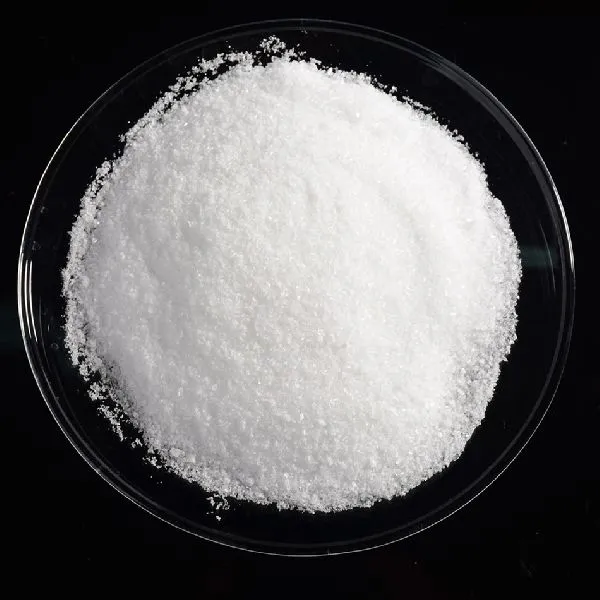
Calcium Nitrate
Technical specifications, industrial applications, and agricultural uses of high-purity calcium nitrate supplied by Moltichem.
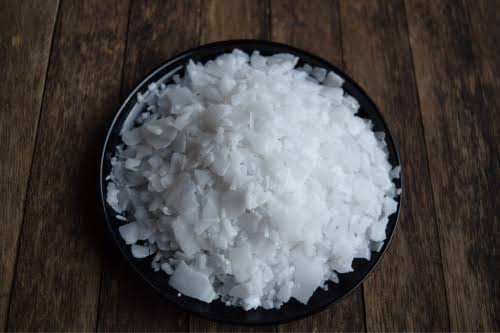
Caustic Soda Flakes
Caustic soda flakes (solid sodium hydroxide) are widely used in detergents, paper, and water treatment. Click for specs and bulk orders.
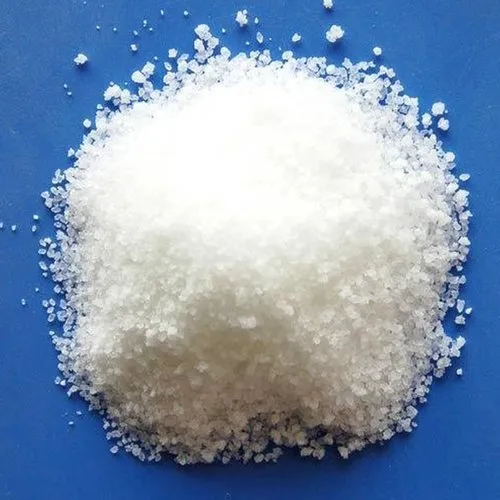
Monoammonium Phosphate
High-purity monoammonium phosphate (MAP, NH4H2PO4) supplying nitrogen and phosphorus for fertilizers, flame retardants, and industrial uses from Moltichem.
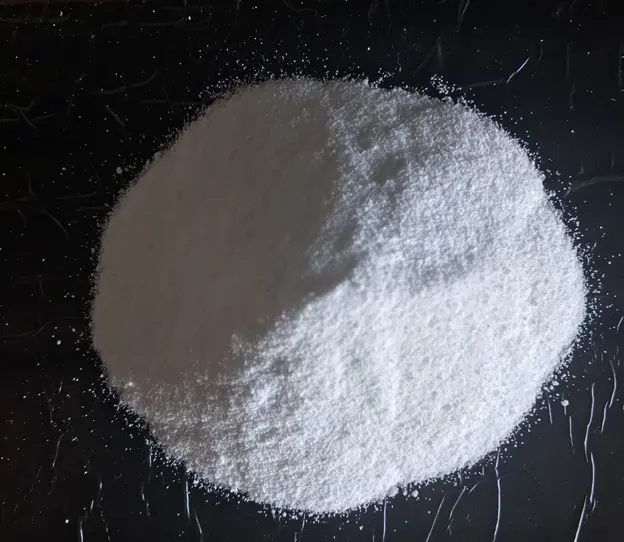
Potassium Chloride
High-purity potassium chloride (KCl) for fertilizers, food processing, pharmaceuticals, and chemical synthesis. Reliable supply from Moltichem.
How to order
Choose one of the two options below, depending on the quantity you need.
Bulk orders
For bulk, industrial and high-volume purchases, contact our sales team directly for the best price, shipping terms and volume discounts.
- Minimum bulk order: 50 litres / kilograms
- Tiered discounts based on order volume
- Freight delivery anywhere in Iran