
Cyanides
Products: 1
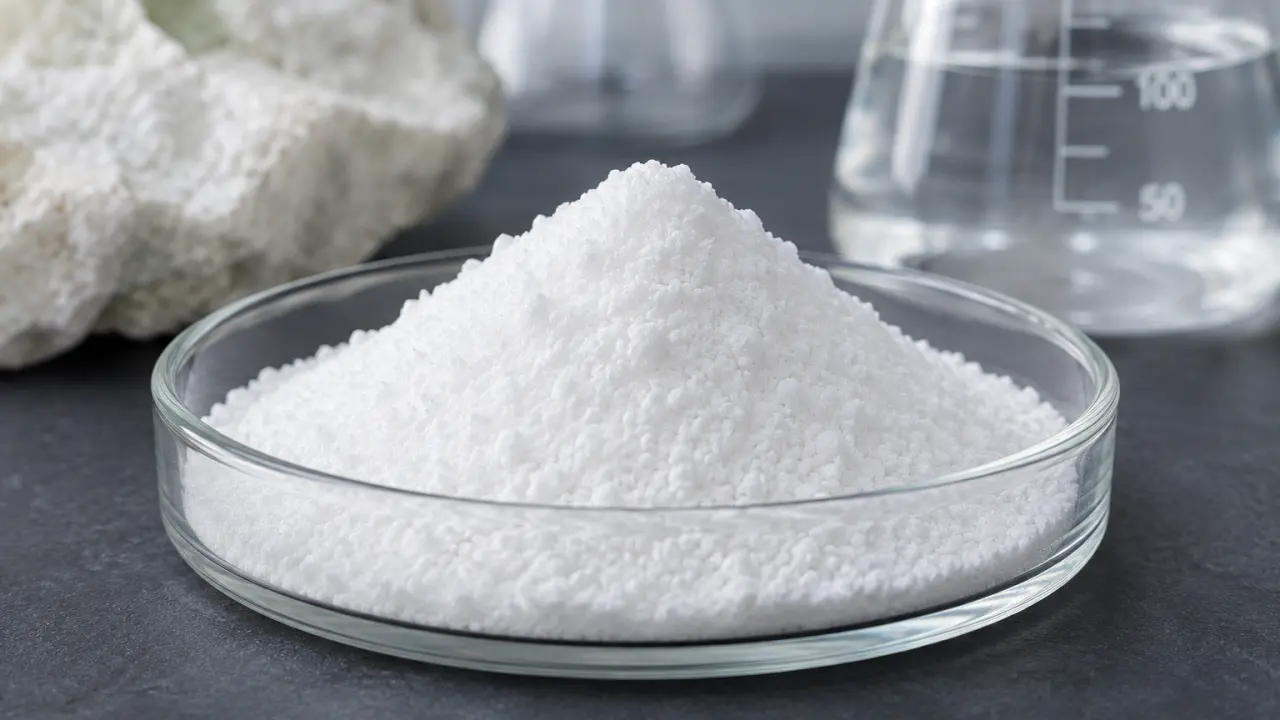
Cyanides
Sourcing and technical specifications of industrial cyanides for mining, electroplating, and chemical synthesis with guaranteed quality at Moltichem.
Compounds containing the cyano group, known as cyanides, are among the most widely used and critical materials in chemical manufacturing, precious metals extraction, and advanced synthesis. Due to their exceptionally high affinity for metal cations, these compounds play a fundamental role in leaching processes, metallurgy, and the synthesis of coordination complexes. Cyanides occupy a prominent position within the broader category of inorganic chemicals, and their reliable supply requires rigorous adherence to strict safety, transportation, and storage standards.
Chemical Structure and Types of Cyanides
Cyanides encompass numerous derivatives of hydrocyanic acid, broadly categorized into inorganic and organic groups. Inorganic forms are predominantly manufactured and consumed as alkali metal salts, which find extensive use in aqueous reactions owing to their high water solubility.
- Simple Alkali Salts: The most commercially consumed forms include sodium and potassium cyanides, supplied in solid form as tablets, briquettes, or white powders. Widely used sodium cyanide is a prime example of this group and serves as the backbone of gold processing operations worldwide.
- Heavy and Transition Metal Cyanides: Materials such as copper, zinc, or silver cyanide, which are primarily employed in electroplating baths and protective electrochemical coating formulations.
- Cyanocomplexes: More stable coordination salts such as ferrocyanides and ferricyanides, which exhibit significantly lower toxicity than free cyanides and find application in pigments, photography, and soil stabilization.
In terms of chemical behavior and crystalline lattice formation, these compounds share close affinities with other inorganic salts, yet the reactive characteristics of the nitrile functionality grant them distinctive properties.
Industrial Applications of Cyanide Compounds
The strong complexing capacity of cyanides ensures that they have virtually no direct technical or economic substitutes across vital industrial sectors. Key applications include:
- Gold and Silver Extraction and Metallurgy: Dissolution and recovery of precious metals from mineral ores via the cyanidation process.
- Electroplating: Deposition of uniform, wear-resistant coatings of gold, silver, brass, and cadmium onto industrial substrates using cyanide-based electrolyte baths.
- Chemical and Pharmaceutical Synthesis: Serving as intermediates in the production of nitriles, amides, nylon resins, and specialized organic compounds.
- Case Hardening of Steel: Use in carburizing and nitriding heat treatments to enhance the surface hardness and mechanical durability of steel components.
Strict pH control in operational environments is paramount. Consequently, alkaline agents such as caustic soda flakes are introduced to maintain high pH levels and prevent the liberation of hazardous hydrogen cyanide gas.
Selection Criteria and Safety Considerations
Selecting the appropriate cyanide grade requires evaluating dissolution rates, chemical purity, physical form (briquettes vs. powder), and residual carbonate content. Briquette forms generate less dust, thereby substantially reducing inhalation hazards during handling and unpacking.
These compounds must be stored in completely dry, well-ventilated facilities segregated from all acidic materials, such as nitric acid. Inadvertent contact between acids and cyanides immediately liberates highly toxic hydrogen cyanide gas. Strict occupational health protocols, immediate on-site availability of specific antidotes, and continuous atmospheric monitoring across storage facilities and production lines are mandatory for all processing operations.