
Amides
Products: 1
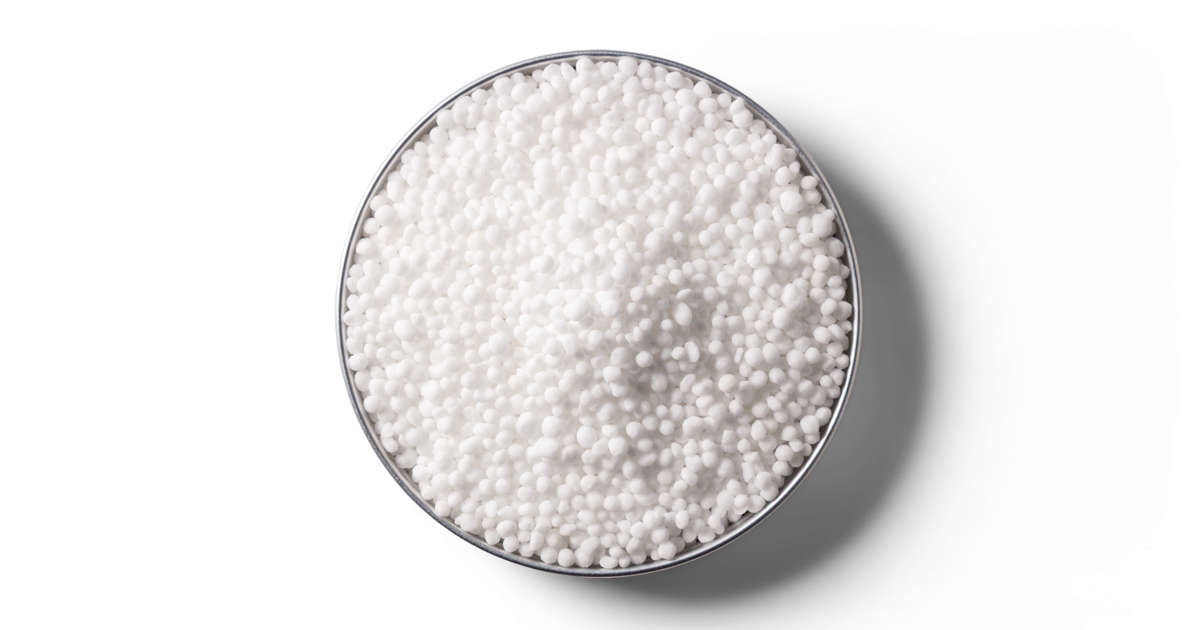
Amides
Explore and source high-purity industrial and lab-grade amides from Moltichem. Discover chemical structures, properties, and applications across industries.
Structure and Significance of Amides in the Chemical Industry
Amides are among the most essential derivatives of carboxylic acids, in which the hydroxyl group is replaced by an amine group or ammonia. This structure forms a stable peptide or amide bond, which serves as the backbone for numerous polymers, pharmaceuticals, and synthetic chemicals. Among the products within the organic chemicals portfolio, amides exhibit unique physical and chemical behaviors due to their distinct polarity and strong hydrogen-bonding capabilities.
Some amides exist as crystalline solids, while others are liquids, each offering different solubility profiles in water or organic solvents. Among the simplest and most widely used compounds in this family is urea, a diamide of carbonic acid used on an immense scale across industrial and agricultural sectors. The thermal resistance and hydrolytic stability of these compounds facilitate their integration into complex formulations.
Classification and Types of Amide Compounds
Amides are classified into primary, secondary, and tertiary categories based on the number of groups attached to the nitrogen atom:
- Primary Amides: The nitrogen atom is bonded to two hydrogen atoms and one carbonyl group; these substances exhibit a strong tendency to form intermolecular hydrogen bonds.
- Secondary Amides: The nitrogen atom is bonded to one hydrogen, one carbonyl group, and one alkyl or aryl group, with prime examples seen throughout polyamide backbone chains.
- Tertiary Amides: The nitrogen atom has no direct hydrogen bonds and is bonded to two organic groups and one carbonyl group, resulting in lower melting points and enhanced solubility in non-polar media.
Understanding these structures enables chemical engineers and quality control specialists to select the appropriate compound based on reaction conditions, boiling points, and overall system polarity.
Industrial and Laboratory Applications of Amides
Compounds in this category play a vital role in manufacturing processes as high-boiling polar solvents, organic synthesis intermediates, and plasticizers. For instance, in nitration processes and reactions derived from strong acids such as nitric acid, the inherent stability of the amide bond prevents rapid structural degradation. Furthermore, in the polymer industry, polyamides are extensively utilized to produce high-strength fibers, engineering components, and specialized resins.
In pharmaceutical and biochemical sectors, numerous active pharmaceutical ingredients (APIs) are synthesized around the amide linkage. Additionally, in leather processing, detergent manufacturing, and antifreeze formulations, these compounds contribute significantly to viscosity control and solution stability.
Key Considerations for Sourcing and Handling Amides
When procuring materials in this category, critical parameters such as chemical purity, moisture content, and intended grade (industrial or analytical/laboratory) must be evaluated. Because certain amides have an affinity for atmospheric moisture, storing them in tightly sealed containers within a cool, dry environment is essential. Sourcing specialists at Moltichem, recognizing the stringent demands of manufacturing operations, ensure comprehensive certificate of analysis (COA) verification and strict warehouse controls to maintain product integrity up to the point of use.