
Technical specifications
| Chemical Formula | H3BO3 |
|---|---|
| CAS Number | 10043-35-3 |
| Molar Mass | 61.83 g/mol |
| Appearance | White powder or crystals |
| Density | 1.435 g/cm³ |
| Melting Point | 170.9 °C (with decomposition) |
| Water Solubility | 47.2 g/L (at 20 °C) |
Product description
What Is Boric Acid and What Is Its Structure?
Boric acid, also known as hydrogen borate or orthoboric acid, is one of the most prominent weak inorganic acids based on the element boron. With the chemical formula H3BO3, its crystal structure consists of parallel molecular layers held together by hydrogen bonds. This structural characteristic gives its crystalline powder or flakes a soft, soapy feel to the touch.
This chemical compound exhibits good solubility in hot water and alcohol and remains stable at room temperature as an odorless white powder or granules. Boric acid also occurs naturally in certain minerals and volcanic waters, but the majority of commercial demand is supplied through the processing of borate salts. Due to its unique chemical properties, this compound holds a critical place in the production chain of numerous inorganic chemicals and industrial formulations.
Physical and Chemical Properties of Boric Acid
Understanding the thermodynamic and kinetic properties of this substance is essential for quality control specialists and process engineers. Unlike conventional proton-donating acids, boric acid acts as a Lewis acid by accepting electron pairs from water's hydroxide ions. When exposed to temperatures above 100 °C, it loses structural water, converting first into metaboric acid and ultimately into boron trioxide (B2O3).
Key characteristics of this compound include:
- Low molecular weight and stable crystal structure at ambient temperatures
- Lowers melt viscosity and enhances thermal strength in melting industries
- Mild buffering capability across weak acidic to neutral pH ranges
- Inhibitory effect against fungal growth, bacteria, and plant pests
- Temperature-dependent solubility in polar solvents
Wide-Ranging Industrial Applications of Boric Acid
The scope of this compound's application spans heavy, light, and pharmaceutical industries. Thanks to the presence of the boron atom, it exhibits distinct behaviors in high-temperature reactions and biological compounds. The primary sectors utilizing this chemical product are examined below.
Glass, Ceramics, and Glaze Industry
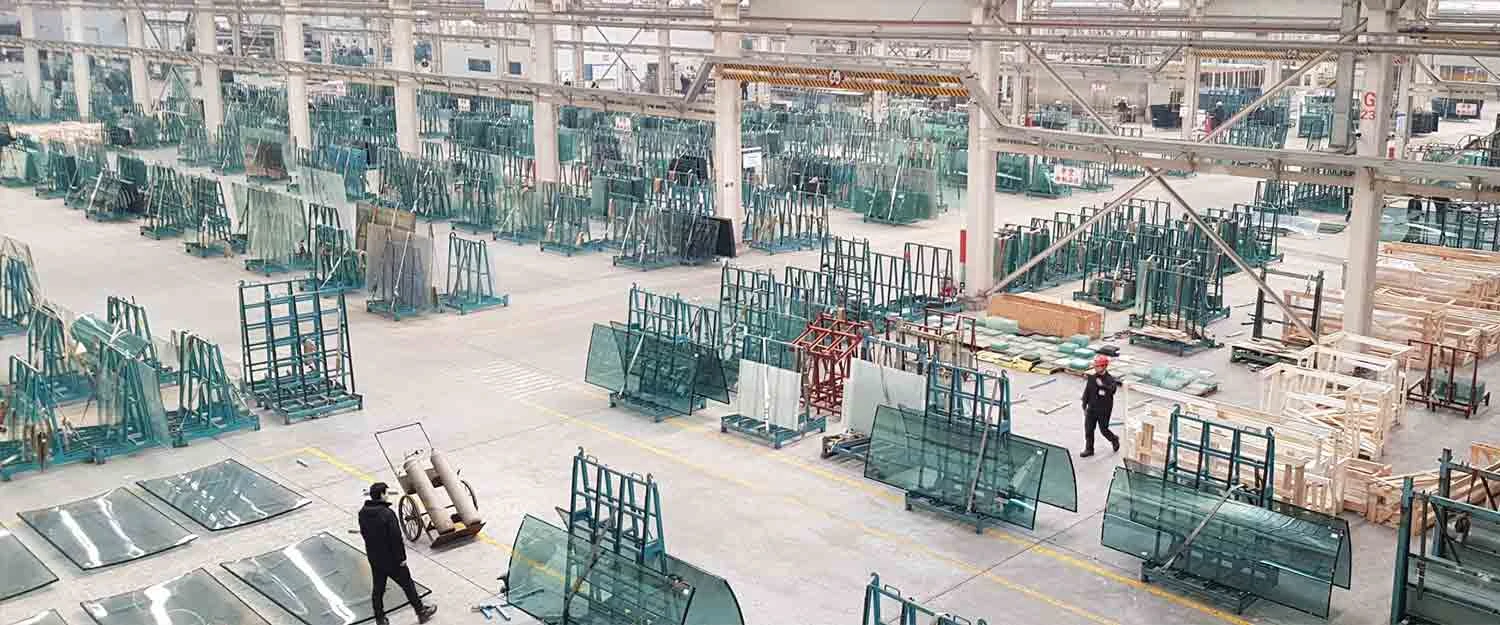
The primary industrial consumption of boric acid is in synthesizing borosilicate glass and fiberglass. Adding this acid significantly reduces the thermal expansion coefficient of glass, enhancing its resistance to thermal shock and chemical corrosion. Furthermore, in the ceramic industry, it is utilized to control firing temperatures and formulate smooth, durable, and glossy glazes. In silicate melt processes, utilizing this compound alongside fluxes and oxidizing agents such as alkali compounds improves furnace yield—a dynamic also observed when examining the application of sodium nitrate in glass production.
Agriculture and Micronutrient Fertilizer Production
Boron is an essential micronutrient for cell wall development, sugar translocation, and successful pollination in plants. Boron deficiency in soil can lead to severe yield drops in crops such as sugar beet, cotton, fruit trees, and vegetables. Consequently, boric acid serves as a stable raw material in manufacturing water-soluble fertilizers, powder fertilizers, and foliar sprays to promptly satisfy this physiological requirement of plants.
Detergents, Pharmaceuticals, and Personal Care Products
Due to its mild antibacterial and antifungal properties, this substance is used clinically in antiseptic formulations, eye drops, and topical solutions. In the cosmetic and personal care sector, boric acid serves as a pH adjuster and emulsion stabilizer in powders and creams. Moreover, in industrial and household detergent formulations, it is employed as a chemical modifier to enhance cleaning performance and neutralize excessively alkaline environments that may be formulated with basic raw materials such as caustic soda flakes.
Flame Retardants, Lubricants, and Wood Preservation
Boric acid plays a vital role in manufacturing fire-retardant and refractory materials. When exposed to fire, it forms an impermeable glassy layer that blocks oxygen from reaching the underlying combustible material. This protective mechanism operates similarly to the application of monoammonium phosphate in flame retardants. In addition, it plays a key stabilizing role in protecting wood structures against wood-boring insects and termites, producing industrial lubricating oils, and propellant industries.
Safety Precautions and Storage Conditions for Boric Acid
Although classified as a weak mineral acid, adhering to personal protective protocols during handling in industrial environments is mandatory. Inhaling dust generated during bag discharging can irritate the respiratory tract; therefore, using dust masks and safety goggles is recommended. Continuous skin contact may also lead to dryness and irritation, necessitating the use of suitable work gloves.
For long-term warehouse storage, product bags should be stacked in a covered, cool, and moisture-free environment. High humidity leads to caking of the powder particles, hindering rapid dissolution on production lines. Position pallets away from walls and avoid direct contact with strong bases.
Industrial Buying Guide for Boric Acid
Procurement units and factory purchasing managers must evaluate several key indicators when purchasing boric acid to secure a product tailored to their production line requirements. Quality is directly correlated with boron oxide purity and heavy impurity levels such as iron, sulfate, and chloride, which directly impact the color and clarity of the finished product in crystal and ceramic industries.
Verifying that the specifications listed on a valid Certificate of Analysis (COA) match your technical process requirements is the primary step in material qualification. Additionally, inspecting multi-layer packaging for tear resistance during transit and moisture barrier integrity guarantees cargo stability during extended storage. Selecting either the crystalline or powder granulation grade is also an important factor in facilitating plant charging operations into reactors and tanks.
Frequently asked questions
This compound is widely used in borosilicate and fiberglass manufacturing, ceramics and glazes, agricultural micronutrient fertilizer formulations, and detergents and disinfectants.
Boric acid is the weak acid form of boron with the formula H3BO3, while borax is its sodium salt (sodium tetraborate) and exhibits alkaline behavior. Although both are boron sources, they are selected based on the required pH in industrial formulations.
Boric acid must be stored in cool, dry, well-ventilated areas. To prevent ambient moisture absorption and caking, packages should be kept away from direct sunlight on pallets elevated off the warehouse floor.
Reviewing the Certificate of Analysis (COA), purity percentage, boron trioxide (B2O3) content, moisture level, and crystal particle size uniformity are the top priorities for industrial buyers.
Related products
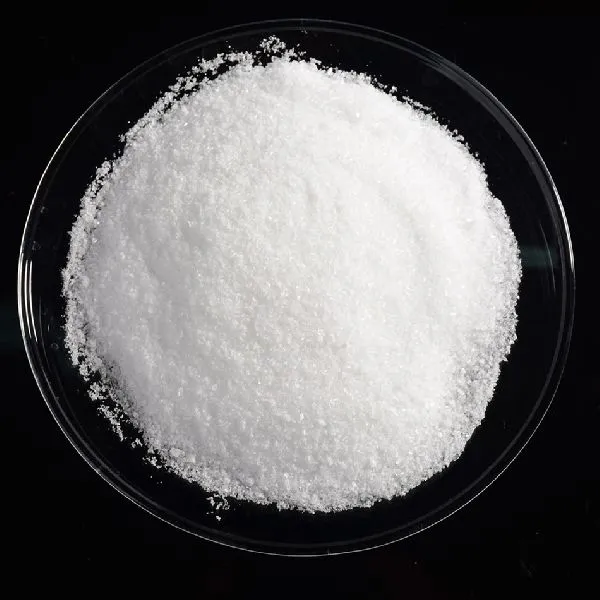
Calcium Nitrate
Technical specifications, industrial applications, and agricultural uses of high-purity calcium nitrate supplied by Moltichem.
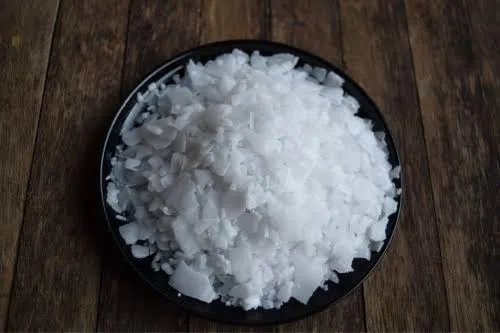
Caustic Soda Flakes
Caustic soda flakes (solid sodium hydroxide) are widely used in detergents, paper, and water treatment. Click for specs and bulk orders.
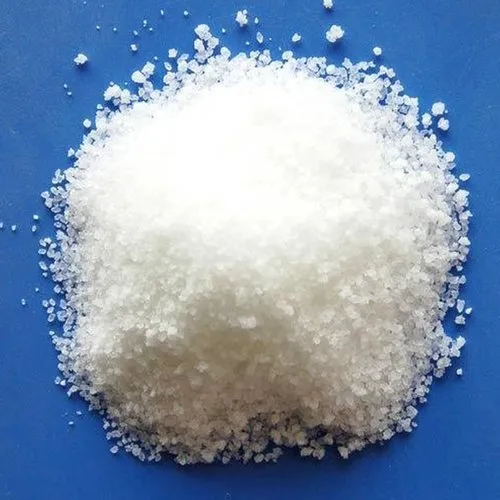
Monoammonium Phosphate
High-purity monoammonium phosphate (MAP, NH4H2PO4) supplying nitrogen and phosphorus for fertilizers, flame retardants, and industrial uses from Moltichem.
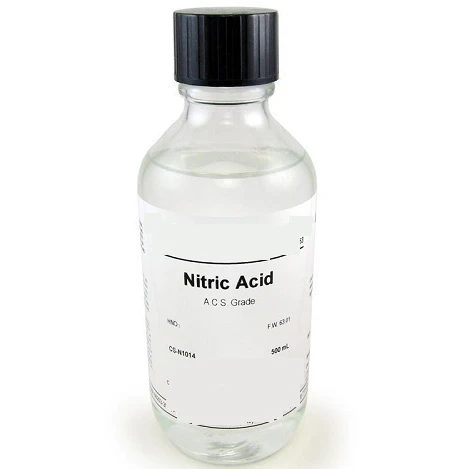
Nitric Acid
Industrial and lab-grade nitric acid with guaranteed purity for chemical fertilizers, metallurgy, and inorganic synthesis, supplied by Moltichem.
How to order
Choose one of the two options below, depending on the quantity you need.
Bulk orders
For bulk, industrial and high-volume purchases, contact our sales team directly for the best price, shipping terms and volume discounts.
- Minimum bulk order: 50 kg (50 litres for liquids)
- Tiered discounts based on order volume
- Freight delivery anywhere in Iran