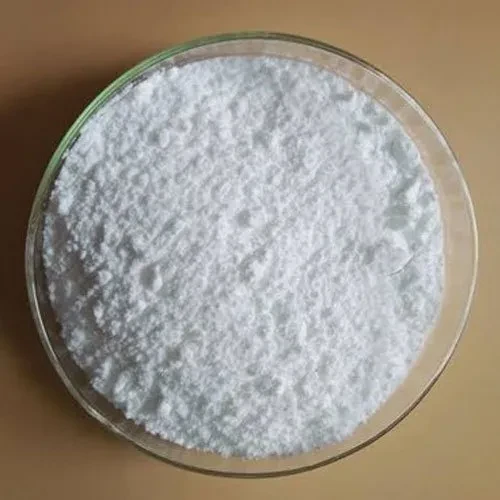
Potassium is one of the three primary macronutrients in plant nutrition, playing a fundamental role in enzyme activation, osmotic regulation, and carbohydrate transport. Among various sources used to supply this element, the application of potassium sulphate in agriculture holds an exceptional and strategic position in orchard and field crop nutrition, owing to its unique chemical profile and absence of chloride. In addition to potassium, this compound provides essential plant-available sulphur in sulphate form, enhancing the uptake efficiency of other nutrient elements.
Understanding the physiological and ecological properties of potassium sulphate fertilizer enables agronomists and growers to maximise water- and nutrient-use efficiency. This article provides an in-depth scientific review of the benefits, comparative advantages, and optimal application practices for this vital agricultural input.
The Significance and Role of Potassium Sulphate in Modern Agriculture
Potassium is widely recognized as the "quality element" in plant physiology, exerting a direct influence on fruit size, pigmentation, flavour, and post-harvest shelf life. Utilizing potassium sulphate in agriculture ensures that potassium remains readily available to root systems without critically elevating the osmotic burden of the soil solution. Plants rely on potassium ions to regulate stomatal opening and closing and to manage moisture stress; potassium sulphate satisfies this demand exceptionally well.
Beyond potassium, the sulphate anion plays a pivotal role in the biosynthesis of sulphur-containing amino acids such as methionine and cysteine. These amino acids serve as structural building blocks for plant proteins; a deficiency in sulphur severely impairs vegetative growth and final yields. Consequently, potassium sulphate functions as a dual-action fertilizer, simultaneously supplying two essential macronutrients directly to the root zone.
Plant tolerance against abiotic stresses—such as late spring frosts, summer heat stress, and prolonged drought—improves markedly with balanced potassium nutrition. Potassium strengthens cell wall thickness, impeding the penetration of fungal and bacterial pathogens into plant tissues. For this reason, advanced orchard management programs routinely incorporate sulphate-based potassium sources into their fertility plans.
Comparing Potassium Sulphate with Other Potassium Sources
In global and domestic markets, several potassium sources are available, the most common being potassium chloride. Although potassium chloride boasts a higher percentage of elemental potassium, the presence of chloride ions represents a major limiting factor in arid and semi-arid regions. As highlighted in discussions surrounding the application of potassium chloride in agriculture, chloride accumulation in poorly drained soils leads to toxicity and marginal leaf scorch.
A key benchmark in selecting an appropriate fertilizer is the salt index, which reflects the degree to which a fertilizer increases the osmotic pressure of the soil solution. The salt index of potassium sulphate is approximately one-third that of potassium chloride, making its application far safer in saline-affected soils and under water-restricted conditions. Crops fertilized with potassium sulphate suffer less osmotic stress and direct more metabolic energy toward biomass and fruit production.
Another popular source in advanced crop nutrition is potassium nitrate, which is typically applied during specific vegetative stages due to its nitrogen content. However, during the final stages of the growing season—when plants require no excess nitrogen that might delay fruit ripening—potassium sulphate is the preferred choice of agronomists. Research on potassium nitrate in plant nutrition shows that strategically alternating between these two fertilizers based on phenological growth stages delivers the best overall yields.
Specific Benefits of Potassium Sulphate for Field and Horticultural Crops
Integrating this fertilizer into fertilization schedules for orchards and arable land delivers numerous benefits that directly impact agricultural economics:
- Elimination of Chloride Toxicity Risk: Ideal for chloride-sensitive crops, which represent the majority of commercial pistachio, almond, citrus, and vineyard plantings.
- Enhanced Post-Harvest Durability: Strengthens tissue firmness and improves resistance to post-harvest decay and mechanical damage during transit and storage.
- Facilitated Sugar Synthesis and Translocation: Enhances flavour profiles, sweetness, and Brix levels in sugar-accumulating crops such as sugar beets, watermelons, and melons.
- Root-Zone pH Modulation: Due to the mild acidifying effect of sulphate, the bioavailability of micronutrients like iron and zinc improves in calcareous soils.
- Secondary Root Development: Stimulates root system expansion, thereby increasing water-use efficiency under moisture stress conditions.
These agronomic advantages explain why commercial growers targeting export markets consistently prioritize potassium sulphate over lower-cost alternatives. The resulting premium on crop grade and market value readily offsets initial input costs.
Application Methods and Techniques for Potassium Sulphate
The fertilizer application method directly governs nutrient uptake efficiency and economic returns. Depending on the physical formulation (powder, granular, or water-soluble), various management strategies are employed:
Deep Banding and Basal Soil Application
In orchards, granular potassium sulphate is typically applied during tree dormancy (late autumn to late winter) via deep trenching, localized placement, or sub-surface banding. Because potassium ions exhibit relatively low mobility in medium- and heavy-textured soils, placing the fertilizer within the active root zone is critical. In field crops, basal applications are broadcast and uniformly incorporated into the soil during seedbed preparation prior to planting.
Fertigation
In drip and micro-irrigation systems, fully water-soluble formulations (powder or soluble SOP) deliver exceptional recovery rates. This technique allows nutrients to be metered precisely during periods of peak crop demand directly into the wetted root profile. Because potassium sulphate solubility increases with water temperature, monitoring stock solution temperatures in colder climates is essential before system injection.
Foliar Application
When highly calcareous soils or elevated salinity levels restrict root absorption, foliar spraying offers a rapid, targeted corrective measure. This practice is particularly effective during rapid fruit enlargement to promptly alleviate transient potassium deficiencies. Foliar sprays should be carried out in the early morning or late afternoon to prevent rapid droplet evaporation and potential foliar leaf burn.
Target Crops Requiring Potassium Sulphate
Many agricultural and horticultural crops exhibit low tolerance to chloride and suffer metabolic disruptions when exposed to it. Pistachio, a major commercial export crop, requires substantial potassium during nut fill; potassium sulphate plays an indispensable role in reducing blank nut percentages. In apple orchards, an adequate supply of potassium ensures peel clarity, enhances flesh firmness, and helps mitigate physiological disorders such as bitter pit.
In potato production, the choice of potassium source directly determines tuber starch quality. Applying potassium chloride can reduce dry matter accumulation and starch content, rendering tubers less suitable for industrial chipping and processing. Conversely, potassium sulphate increases dry matter percentage and enhances cooking qualities. Grapes, citrus, strawberries, and greenhouse vegetables such as tomatoes and cucumbers likewise exhibit superior agronomic responses to sulphate-based potassium.
Tobacco is another high-value industrial crop with an absolute requirement for potassium sulphate. Excess chloride in tobacco leaves drastically impairs leaf combustibility and burn quality; consequently, chloride-free potassium nutrition represents an mandatory industry standard.
Compatibility and Tank-Mixing Guidelines
In modern integrated crop nutrition programs, mixing fertilizers in a common stock tank requires an understanding of solution chemistry. One of the most critical precautions when working with potassium sulphate is avoiding tank mixes with calcium-containing fertilizers. Combining dissolved calcium and sulphate ions at elevated concentrations triggers the precipitation of insoluble calcium sulphate (gypsum), causing severe clogging of drip emitters and irrigation lines.
Conversely, potassium sulphate exhibits excellent compatibility with compounds like monoammonium phosphate fertilizer and urea. Co-applying these fertilizers yields a balanced stock solution containing nitrogen, phosphorus, potassium, and sulphur to support comprehensive plant vigour. Nevertheless, performing a jar test in a clear container prior to large-scale preparation is always recommended to verify the absence of cloudiness, precipitate formation, or unexpected exothermic reactions.
Conclusion
The application of potassium sulphate in agriculture remains a cornerstone management tool for boosting productivity and satisfying stringent commercial crop standards. Featuring a low salt index, complete absence of chloride, and balanced delivery of potassium and sulphur, it represents a sustainable nutritional solution—particularly in calcareous soils and arid production environments. Precision timing, balanced dosing, and appropriate application techniques empower growers to achieve maximum quantitative yields and superior harvest quality.