
Proper soil and plant nutrition is fundamental to achieving high yields and premium quality in agronomy and horticulture. Among the primary macronutrients, potassium plays an indispensable role in maintaining physiological health and boosting crop performance. Understanding potassium chloride in agriculture enables agronomists, growers, and farm managers to manage soil nutrient reserves efficiently and cost-effectively. Commonly traded as muriate of potash (MOP), potassium chloride represents one of the most widely used potassium carriers worldwide.
What Is Potassium Chloride and What Is Its Structure?
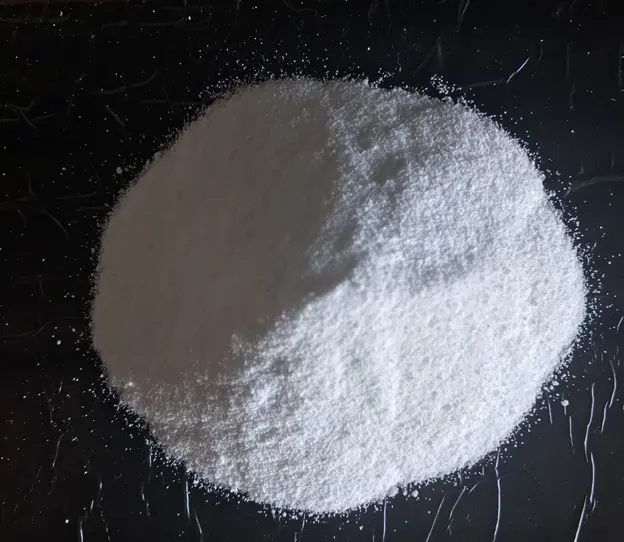
Potassium chloride is an ionic mineral compound with the chemical formula KCl, composed of crystalline potassium and chlorine. Classified chemically as a salt, its high water solubility allows it to dissolve rapidly in soil moisture, releasing plant-available potassium ions to the root zone. In fertilizer classifications, potassium chloride is one of the most prevalent mineral salts.
Numerous chemical and agricultural industries rely on this compound as one of the purest and most economical sources of potassium. It belongs to the broader group of chlorides, compounds that fulfill specific functions across diverse chemical and industrial processes. Its stable crystalline lattice ensures easy handling, transport, and long-term storage compared to many alternative fertilizer grades.
The Importance of Potassium in Plant Growth and Health
Unlike nitrogen and phosphorus, potassium does not incorporate into stable structural organic compounds such as proteins. Instead, it remains present as a free cation in the cytoplasm and vacuoles of plant cells, directing a wide range of essential physiological processes. Potassium is critical for maintaining cell turgor pressure, activating more than 60 plant enzymes, synthesizing sugars and starch, and governing stomatal conductance.
Potassium deficiency typically manifests as chlorosis and necrosis along the margins of older leaves. Deficient plants develop weaker stems, increasing susceptibility to lodging. Furthermore, potassium significantly influences the flavor, coloration, and post-harvest shelf life of fruits and vegetables; in its absence, marketable yield quality declines substantially.
Specific Benefits of Potassium Chloride in Crop Production
Applying potassium chloride provides distinct advantages over alternative potassium sources, accounting for its widespread adoption in global agriculture. A major benefit is its high potassium concentration, which reduces the total volume of fertilizer required per hectare and lowers freight, storage, and handling costs.
- High Cost-Efficiency: Potassium chloride offers an economical unit cost of potassium, simplifying nutrient budget management across large acreages.
- Superior Solubility: It dissolves readily in soil water, delivering potassium rapidly into the soil solution for root uptake.
- Simultaneous Chloride Supply: In moderate amounts, chlorine functions as an essential micronutrient vital for photosystem II activity and plant osmoregulation.
- Storage Stability: Under standard storage conditions, it exhibits minimal caking tendencies and maintains its physical properties over long periods.
Given these properties, potassium chloride is often the primary choice for chloride-tolerant field crops where high yields must be balanced with production economics.
Application Methods of Potassium Chloride in Agricultural Soils
Achieving maximum fertilizer use efficiency requires selecting the appropriate method and timing for potassium chloride application. Because potassium binds to clay minerals and soil colloids, its mobility is considerably lower than that of nitrate. Consequently, potassium chloride in agriculture is predominantly utilized as a pre-plant basal fertilizer.
Pre-Planting Application (Basal)
For broad-acre cereal production, broadcasting the fertilizer evenly across the field and incorporating it into the topsoil via plowing or harrowing is standard practice. This places potassium within the developing root zone while allowing excess chloride ions to leach below root depth during early seasonal irrigation or rainfall.
Banding and Deep Placement
In row crops such as maize and sunflowers, side-banding potassium chloride a few centimeters away from the seed row significantly enhances nutrient uptake efficiency. This approach minimizes potassium fixation in high-clay soils and ensures immediate nutrient availability for juvenile root systems.
Fertigation
In modern pressurized drip irrigation systems, high-purity, fully soluble potassium chloride can be injected through fertilizer dosing units, provided soil and water salinity levels remain within acceptable thresholds. Fertigation allows split applications that align nutrient supply with crop demand curves while minimizing leaching losses.
Comparing Potassium Chloride with Other Potash Fertilizers
Growers have several options when formulating a potassium management program. The primary alternative to potassium chloride is potassium sulfate (sulfate of potash or SOP). Choosing between them depends on crop tolerance, soil texture, and irrigation water salinity. Alongside chloride salts, nitrates are also deployed to provide dual-action nitrogen and potassium nutrition tailored to specific phenological stages.
| Characteristic | Potassium Chloride (KCl / MOP) | Potassium Sulfate (SOP) |
|---|---|---|
| Salt Index | Higher | Lower |
| Accompanying Nutrient | Chlorine (micronutrient) | Sulfur (secondary macronutrient) |
| Suitability for Saline Soils | Use with extreme caution | Highly recommended |
| Cost per Nutrient Unit | More economical | Higher |
| Target Crops | Cereals, maize, sugar beet | Chloride-sensitive crops, grapes, strawberries |
While potassium sulfate is preferred for pistachio orchards, citrus groves, and high-EC soils, potassium chloride remains the most practical and economical source for sugarcane, wheat, barley, and lowland rice in well-drained soils.
Chloride-Sensitive and Chloride-Tolerant Plants
Crops exhibit marked differences in their physiological tolerance to chloride accumulation. Recognizing these tolerances prevents osmotic shock and yield penalties:
- Tolerant and Chloride-Loving Crops: Sugarcane, sugar beet, coconut, barley, and winter cereals thrive in the presence of chloride, often showing yield increases.
- Moderately Tolerant Crops: Maize, cotton, clover, and sunflower tolerate standard agronomic rates of potassium chloride without adverse effects.
- Chloride-Sensitive Crops: Strawberries, starch-type potatoes, tobacco, raspberries, onions, and young nursery saplings are susceptible to chloride toxicity. In tobacco, chloride impairs leaf burn quality; in processing potatoes, it can lower dry matter and specific gravity.
Application rates must always be calibrated against laboratory soil test data and specific crop sensitivities.
The Effect of Potassium Chloride on Plant Stress Resistance
A critical agronomic function of potassium is mitigating abiotic and biotic stress damage. Adequately nourished plants develop thicker, more lignified cell walls that resist penetration by fungal hyphae and piercing-sucking insect pests. Furthermore, proper potassium-mediated stomatal regulation minimizes non-stomatal water loss during periods of drought.
In colder regions, sufficient tissue potassium lowers the freezing point of cell sap, protecting plants against early autumn and late spring frosts. Applying potassium chloride not only drives vegetative and reproductive yields but also serves as an agronomic defense against seasonal weather extremes. Producing these fertilizer grades relies on a dependable supply chain of inorganic chemicals that form the baseline of modern agricultural inputs.
Safety Guidelines and Application Standards
Imbalanced or excessive fertilizer application can degrade soil structure and induce secondary salinization. When using potassium chloride, ensuring adequate field drainage is essential to prevent chloride accumulation within the root zone. Direct contact between the fertilizer and salt-sensitive seeds must be avoided to eliminate osmotic seedling injury; placement should maintain a safety buffer of several centimeters.
Routine monitoring of soil pH and electrical conductivity (EC) prevents salinity buildup. Incorporating regular soil and irrigation water testing into management practices maximizes crop response while safeguarding the long-term agronomic integrity of the land.
Conclusion
Understanding the practical applications of potassium chloride in agriculture is vital for optimizing fertilizer efficiency and crop productivity. Delivering high concentrations of available potassium at a competitive cost, it provides the physiological support required for vigorous growth, stress resilience, and consistent harvest quality. Matching application rates, soil test results, and crop tolerances establishes a sustainable and profitable fertility program.