

Diammonium Phosphate (DAP) in Agriculture & Soil Nutrition
Matin Badi October 27, 2026
| Chemical Formula | (NH4)2HPO4 |
|---|---|
| Molar Mass | 132.06 g/mol |
| CAS Number | 7783-28-0 |
| Appearance | White to off-white crystals or granules |
| Density | 1.62 g/cm³ |
| Solubility in Water | 57.5 g/100 mL (10 °C) |
| Aqueous Solution pH | 7.5 to 8.2 (10% solution) |
Diammonium phosphate, known internationally as DAP, is a stable salt produced by the reaction between ammonia and phosphoric acid. Delivering both essential nitrogen and phosphorus in a single compound, it holds a prominent position among industrial and agricultural inorganic chemicals. Excellent water solubility and structural stability make DAP a strategic raw material for chemical synthesis lines and broader industrial supply chains.
Beyond agriculture, this compound is widely employed in flame-retardant formulations, wastewater treatment, and fermentation processes. Downstream industries seeking to maximize production line efficiency consistently rely on DAP with uniform purity and stable particle size distribution.
This chemical compound is designated by the formula (NH4)2HPO4 and belongs to the ammonium phosphate group. Diammonium phosphate granules possess a crystalline structure, and upon dissolving in water, they yield a neutral to slightly alkaline reaction—unlike monoammonium phosphate, which forms an acidic solution. This distinct property gives DAP completely different performance characteristics in sensitive biochemical and nutrient formulations.
Under elevated temperatures, this inorganic salt decomposes to release ammonia gas and phosphoric acid. This thermal degradation mechanism serves as the foundation for its technical role as a flame retardant. Furthermore, its rapid solubility accelerates ion-exchange processes in industrial process water.
Diammonium phosphate is produced as free-flowing granules or a dry crystalline powder with excellent flowability. Quality control for industrial grades is evaluated primarily on water-soluble phosphorus content and total nitrogen:
Optimal crop and orchard nutrition is unachievable without balanced phosphorus alongside nitrogen. Applying diammonium phosphate fertilizer during early growth stages stimulates robust root system development and vigorous tillering. The nitrogen in this compound is present in ammoniacal form, which exhibits a controlled release in soil and is less prone to leaching.
Many progressive growers balance their fertilization programs by pairing DAP with supplementary nitrogen sources such as urea. Additionally, in specific soil pH conditions, combining DAP with stable salts like potassium nitrate promotes crop vigor and fruit yield throughout the reproductive phases. Its rapid dissolution allows application both via conventional broadcast spreading and modern mechanized fertigation systems.
The utility of DAP extends well beyond agriculture into materials science and process manufacturing.
One of the most critical industrial applications of DAP is fireproofing. In combination with other phosphate compounds—as detailed in monoammonium phosphate uses in flame retardants and fire-suppression materials—it prevents heat transfer to the structural core of wood, paper, and textiles. When exposed to direct heat, it forms an insulating carbonaceous char barrier that suppresses structural fire propagation.
In biological wastewater treatment processes, decomposing bacteria and microorganisms require essential nutrients to sustain metabolic activity. Diammonium phosphate is dosed into treatment bioreactors as a source of bioavailable nitrogen and phosphorus. This practice substantially accelerates biological sludge digestion and rapidly lowers biological contaminant loads.
In the production of baker's yeast, permitted fermented beverages, and biotechnology products, yeast cultures require readily accessible phosphorus and nitrogen. Purified diammonium phosphate is utilized as a fermentation nutrient and biomass accelerator. Given the strict regulatory standards in this sector, utilizing consistent, heavy-metal-free raw material is paramount.
Diammonium phosphate is a non-flammable, stable compound under standard environmental conditions. However, because the granules are moderately hygroscopic, storage facilities must feature climate control to prevent ambient moisture absorption. Prolonged moisture exposure can lead to caking and create unloading difficulties.
Operators handling and loading bulk quantities should use dust respirators and work gloves. Bags should be palletized on wooden or plastic pallets and spaced away from warehouse walls to ensure continuous air circulation.
Sourcing the right diammonium phosphate requires thorough evaluation of technical specifications and supplier reliability. Manufacturing facilities requiring continuous, uninterrupted feed lines prioritize consistent supply chains and batch-to-batch conformity with lab-verified samples.
Leveraging technical expertise in inorganic salt manufacturing and trade, Moltichem supplies shipments accompanied by verified laboratory analyses. Contact our technical sales team to verify real-time inventory, arrange logistics, and place bulk procurement orders tailored to your plant's specifications.
Diammonium phosphate has a higher nitrogen content than monoammonium phosphate and creates a slightly alkaline solution, whereas monoammonium phosphate yields an acidic environment. The choice between them depends on soil pH, crop variety, and whether hydroponic or conventional cultivation methods are used.
When exposed to heat, the compound decomposes and releases ammonia gas, which starves the flame of oxygen. The remaining phosphoric acid forms an impermeable char layer on wood, textiles, or paper, effectively minimizing fire propagation.
Bags should be stored in a covered, cool, and well-ventilated warehouse protected from direct moisture and sunlight. Pallets should be stacked away from floors and walls to prevent granules from caking due to moisture absorption.
Industrial and agricultural buyers can contact Moltichem sales engineers to obtain current pricing, chemical analysis certificates (COA), and logistics support. Once the proforma invoice is confirmed, orders are dispatched nationwide in standard packaging.
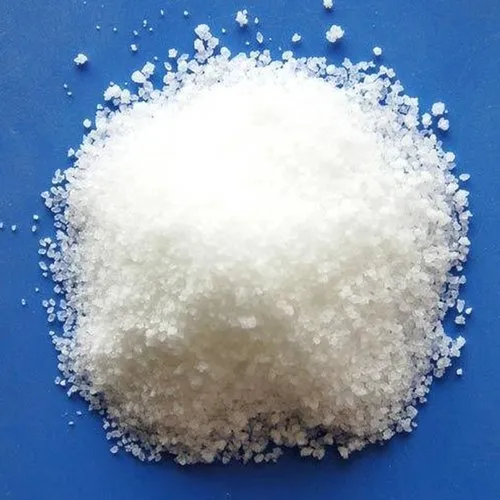
High-purity monoammonium phosphate (MAP, NH4H2PO4) supplying nitrogen and phosphorus for fertilizers, flame retardants, and industrial uses from Moltichem.
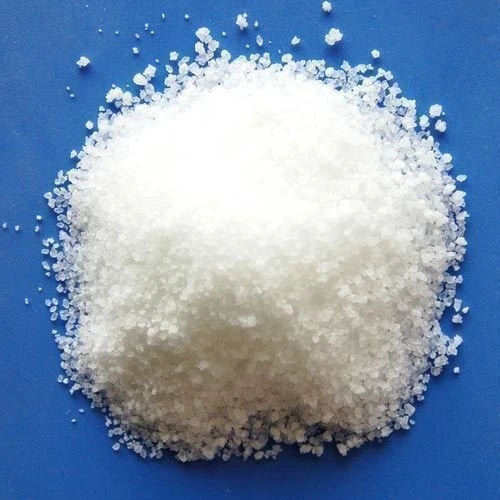
Technical overview of ammonium chloride (sal ammoniac), chemical properties, uses in metallurgy, water treatment, and textiles, plus bulk purchasing guide.
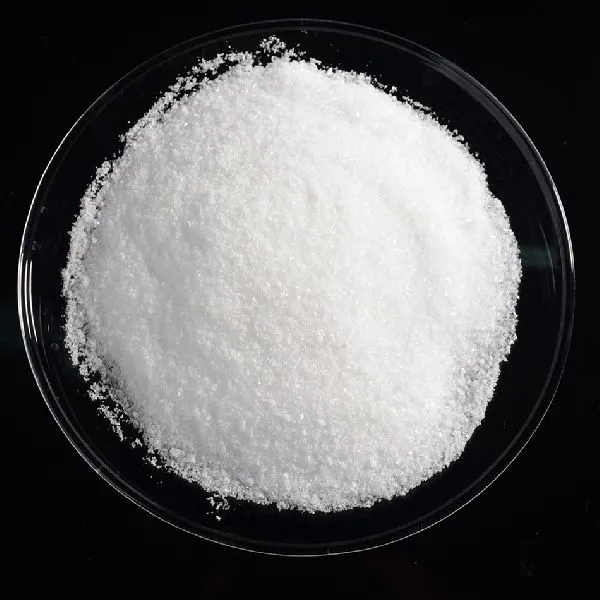
Technical specifications, industrial applications, and agricultural uses of high-purity calcium nitrate supplied by Moltichem.
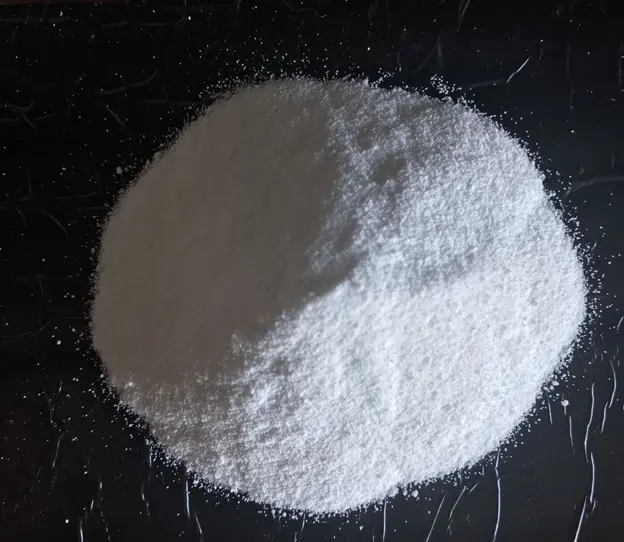
High-purity potassium chloride (KCl) for fertilizers, food processing, pharmaceuticals, and chemical synthesis. Reliable supply from Moltichem.
Choose one of the two options below, depending on the quantity you need.
For bulk, industrial and high-volume purchases, contact our sales team directly for a current price, shipping terms and volume discounts.