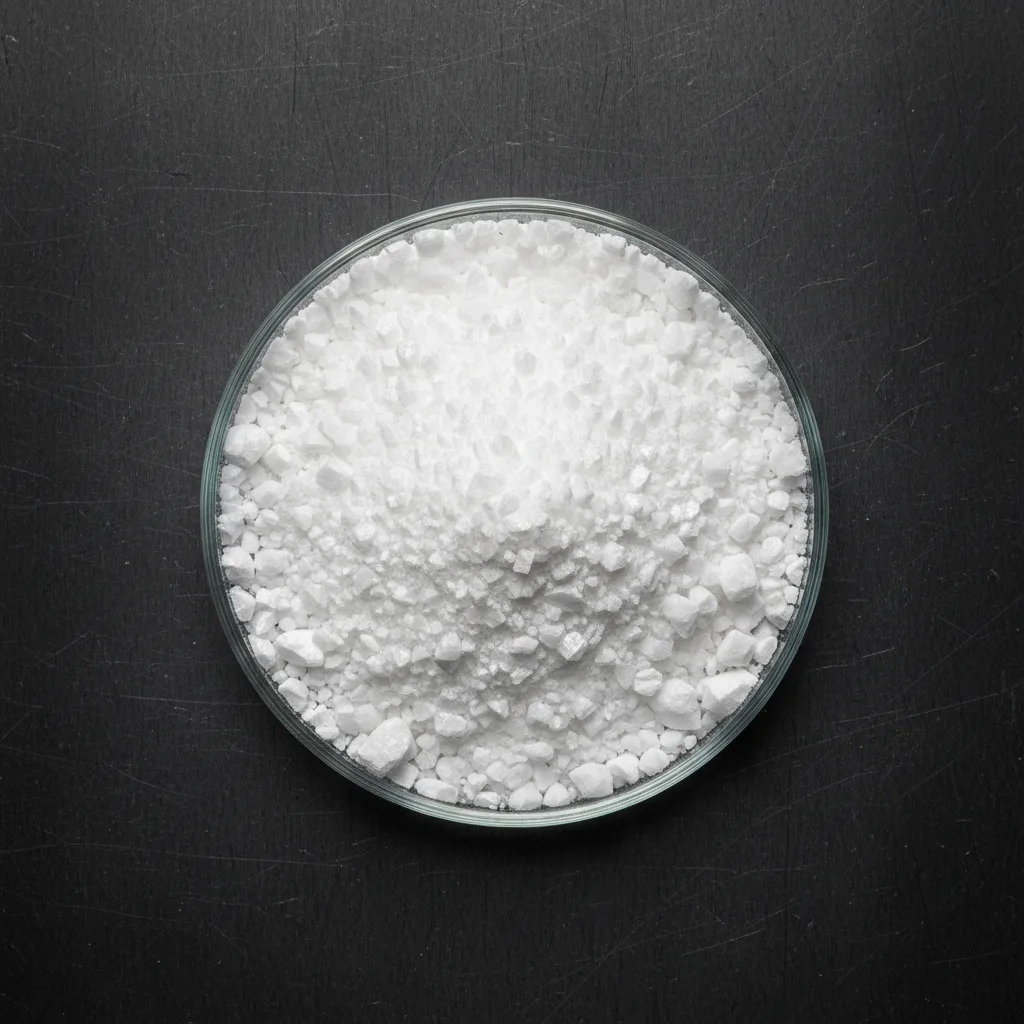

Blasting and extraction operations in modern mining require a precise balance between shattering power, seismic vibration control, and geological integrity preservation. Within this framework, selecting the proper oxidizing agent plays a fundamental role in directing energy and determining the fragmentation quality of rock masses. A thorough examination of the application of potassium nitrate in mining blasting demonstrates that, despite the development of newer formulations, this mineral compound continues to hold a strategic and irreplaceable position in dimensional stone quarries and specialized controlled-blasting projects.
The extractive industries rely on chemical compounds with predictable thermodynamic behavior and controlled reaction rates to release mineral reserves. Understanding these chemical characteristics allows mining engineers to minimize structural side effects. Below, the technical, thermodynamic, and operational aspects of utilizing this compound in mining operations are examined.
What Is Potassium Nitrate and What Is Its Role in Extraction?
Potassium nitrate is a crystalline compound characterized by strong ionic bonding, recognized as a stable agent within the category of inorganic chemicals. Within its molecular structure, sufficient oxygen is stored to sustain rapid combustion reactions. While chemically inert at room temperature, it liberates substantial volumes of active gases once it reaches its thermal initiation threshold.
In mining engineering, oxidative behavior and bond dissociation rates are crucial factors when designing blast patterns. These properties place this compound among the most valuable nitrates for specialized blasting industries. Furthermore, its relative thermal stability makes transportation and handling significantly safer than many related chemical alternatives.
Oxygen Release Mechanism and Pressure Wave Generation
When this mineral salt is combined with a fuel source, a rapid exothermic reaction is initiated. The generated heat quickly breaks the nitrogen-oxygen bonds, releasing active oxygen to sustain the fuel phase. This chain reaction produces substantial volumes of nitrogen, carbon dioxide, and secondary gases.
The confinement of these expanding gases within the blasthole subjects the rock wall to intense tensile stress. Because the tensile strength of rock is significantly lower than its compressive strength, the rock mass fractures cleanly along the pre-split line. This degree of controllability is the primary reason for using potassium nitrate in dimensional stone blasting.
Black Powder in Stone Quarrying and Potassium Nitrate Blasting Applications
One of the most classical applications of this compound is in granular black powder formulations engineered for extracting stone slabs and blocks. In quarrying dimension stones such as granite and marble, utilizing high-velocity, high-brisance explosives is counterproductive, as excessive shattering destroys the commercial value of the material.
Potassium-based powder deflagrates at a controlled rate, generating a gentle hydrostatic pressure along the entire blasthole. Rather than pulverizing the rock, this reaction creates longitudinal split fractures. The targeted use of this formulation is consistently emphasized by technical experts within mining blasting safety training programs.
- Controlled pressure release along the full length of the blasthole
- Minimization of micro-cracks and hairline fissures in the rock mass
- Higher extraction yields of undamaged, marketable stone blocks
- Predictable explosive behavior across diverse climatic conditions
Comparing Potassium Nitrate with Other Nitrate Compounds in Mining
In metallic ore extraction and large open-pit operations, economic efficiency and high shattering power are the primary criteria. Ammonium-based compounds, such as ANFO, deliver high detonation velocities and intense shockwaves to the rock structure. In contrast, potassium-based formulations exhibit a milder, mechanically driven heaving action.
Furthermore, within the broader classification of inorganic salts, variations in hygroscopicity dictate operational suitability. Potassium compounds exhibit a significantly lower affinity for ambient moisture absorption compared to ammonium or sodium salts, retaining their physical integrity and chemical performance far more effectively in humid environments.
| Technical Parameter | Potassium Nitrate | Ammonium Nitrate |
|---|---|---|
| Shockwave Velocity | Lower and controlled | High and shattering |
| Destructive Effect on Rock | Axial splitting without pulverization | Heavy fragmentation and pulverization |
| Hygroscopic Sensitivity | Very low | High |
| Primary Mining Application | Dimensional and decorative stone quarrying | Bulk fragmentation in open-pit and metallic mines |
Structural Superiority in Humid Climates
Mines situated in humid, mountainous terrains frequently encounter oxidizer caking during storage. Moisture absorption decreases detonation velocity and can lead to misfires or incomplete blasthole detonation. In such environments, the stable crystalline structure of potassium nitrate significantly reduces product loss and blasting failures.
Oxidizer Role in Blasting and Oxygen Balance Optimization
Oxygen balance is a critical parameter in the formulation of industrial blasting agents. If a mixture is oxygen-deficient, toxic gases such as carbon monoxide are generated, posing lethal hazards in underground or enclosed mining operations. Conversely, an over-oxidized mixture results in hazardous nitrogen oxide (NOx) fumes.
Using potassium nitrate in mining formulations allows blasting engineers to achieve an optimal oxygen balance. This compound provides a precise stoichiometric oxygen contribution, ensuring complete fuel combustion while minimizing hazardous post-blast fumes. Maintaining these standards directly safeguards drilling and loading crews on site.
Safety Considerations in Potassium Nitrate Storage and Handling
Although this oxidizing salt is inherently stable and exhibits low sensitivity to mechanical shock, failure to observe standard storage protocols can introduce operational risks. Chemical magazines and warehousing facilities must adhere to strict regulatory guidelines.
Storage facilities must feature proper ventilation systems and remain completely dry. Bags should be stacked on sound wooden pallets with adequate clearance from walls. The most critical risk mitigation measure is strict physical segregation from lubricants, liquid hydrocarbons, and pulverized coal to eliminate the potential for unauthorized exothermic reactions.
Firefighting and Emergency Response Protocols
In the event of a fire adjacent to potassium nitrate storage, conventional dry chemical powder or gaseous extinguishers are largely ineffective, as the oxygen sustaining the thermal reaction is released from within the nitrate molecule itself. Applying high-volume, steady streams of water is the most effective approach to quickly lower the material's temperature below its thermal decomposition threshold. Mine firefighting personnel must be specifically trained in these operational distinctions.
Summary and Industrial Sourcing Guide
The strategic deployment of this mineral compound in blasting operations reflects an intersection of chemical engineering and rock excavation expertise. Its specialized properties—including ground vibration mitigation and environmental stability—render it indispensable for dimensional stone extraction. Achieving optimal results in rock splitting while preserving strict safety standards requires raw materials with high purity and consistent particle sizing. Moltichem manufactures and supplies high-grade nitrate compounds and mineral salts to meet the rigorous demands of mining and extraction enterprises.