
Proper plant nutrition is a decisive factor in achieving maximum yield and produce quality in field crops and orchards. Among various fertilizer compounds, the application of potassium nitrate in agriculture holds a prominent position due to its unique nutritional profile and rapid uptake kinetics. Containing two essential macronutrients—nitrogen and potassium—this chemical compound meets critical plant requirements during pivotal vegetative and reproductive growth stages.
Leading growers and plant nutrition specialists prioritize compounds from the nitrates category to enhance visual quality, flavor, shelf life, and post-harvest storability. A precise understanding of its chemical nature, agronomic benefits, and application methods is a fundamental step toward optimizing premium crop production.
What Is Potassium Nitrate and What Is Its Composition?
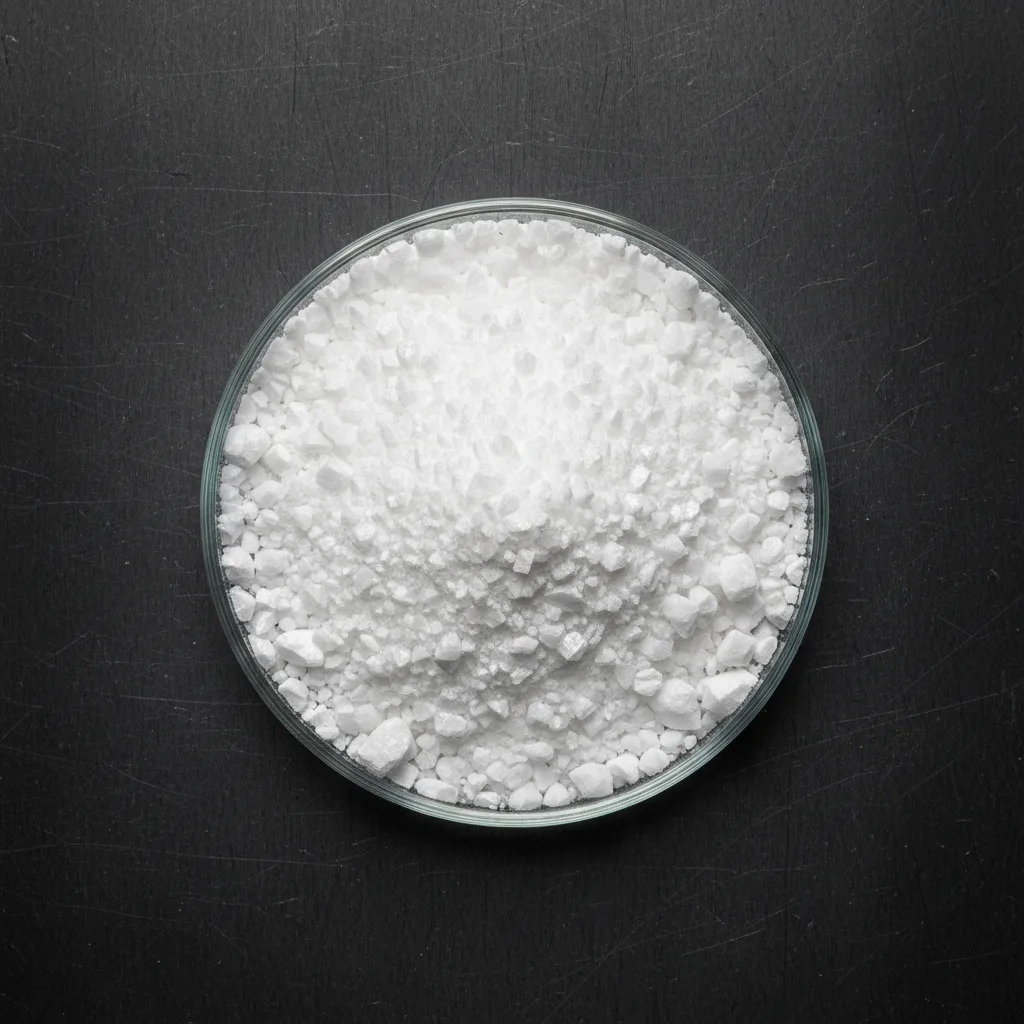
Potassium nitrate is an inorganic salt with the chemical formula KNO3, formed by the ionic bonding of potassium and nitrate ions. It is among the most widely recognized inorganic salts in the agricultural sector. Unlike ammonium- or urea-based nitrogen fertilizers, the nitrogen in this compound is present entirely in nitrate form, making it immediately available for plant root uptake.
The potassium ion in this salt regulates osmotic potential and activates vital plant enzymes. Simultaneously, the nitrate component serves as a primary nitrogen source, driving protein and chlorophyll synthesis. A defining advantage of this fertilizer is the complete absence of undesirable chloride and sodium ions in its chemical composition.
High water solubility in both cold and warm water is one of its distinctive physical properties. This characteristic allows it to be integrated seamlessly into modern fertigation systems without forming insolubles or precipitates.
The Strategic Importance of Potassium Nitrate in Modern Agriculture
The deployment of standardized, high-purity mineral fertilizers forms the foundation of advanced open-field and greenhouse cropping systems. Within this framework, the application of potassium nitrate in agriculture holds strategic importance due to its broad compatibility with diverse soil and water conditions. The synergistic uptake between nitrate and potassium ions enhances the absorption efficiency of other essential micronutrients within the rhizosphere.
Compared to alternative nitrogen and potassium sources, potassium nitrate exhibits a very low salt index, minimizing the risk of salt accumulation and root burn. Consequently, it is widely recommended for open-field vegetables, orchards, and high-value greenhouse operations. Technical articles in agricultural education resources consistently emphasize selecting fertilizers with low salinity indices to preserve soil structure and root health.
The impact of this salt extends beyond basic nutrient delivery; it directly regulates stomatal opening and closing. This physiological control reduces transpiration water loss, an essential adaptation in arid and semi-arid growing conditions.
Key Agronomic Benefits of Potassium Nitrate for Crop Growth and Yield
Supplying this fertilizer throughout the crop cycle delivers distinct physiological benefits. Understanding these mechanisms helps agronomists design precise and cost-effective fertility programs.
Improving Fruit Quality and Enhancing Marketable Yield
Potassium plays a direct role in translocating sugars, starches, and synthesized carbohydrates from source leaves to reproductive sinks and developing fruits. Adequate potassium levels increase fruit size, enhance pigmentation, and raise soluble solids (Brix). Furthermore, uniform fruit ripening is among the most reliable outcomes of balanced potassium nutrition.
Boosting Tolerance to Environmental and Abiotic Stresses
Cold spells, drought, and soil salinity pose persistent risks to farm productivity. Potassium nitrate stabilizes cellular osmotic potential and reinforces cell membrane integrity. By strengthening primary cell walls, it also improves mechanical tissue resistance against pest infestations and fungal pathogen penetration.
Core nutritional benefits of this fertilizer include:
- Concurrent delivery of rapidly absorbable nitrate-N and readily available K
- Prevention of toxic ion accumulation (such as sodium and chloride) in plant tissues
- Complete compatibility with other fully soluble fertilizers, including complementary sources such as calcium nitrate, in dual-tank fertigation or alternating foliar sprays
- Complete water solubility, eliminating nozzle and drip emitter clogging
- Extended post-harvest shelf life and reduced storage losses in fruits and vegetables
Application Methods and Timing Across Growth Stages
The agronomic efficiency of any fertilizer depends on matching the right source with the correct timing and delivery method. Thanks to its high solubility, potassium nitrate can be applied through several established techniques.
Fertigation via Irrigation Systems
Drip irrigation and pressurized fertigation represent the most efficient methods for delivering potassium nitrate directly to the active root zone. The compound is dissolved in irrigation water at precisely calculated concentrations and injected uniformly. This approach achieves maximum nutrient recovery, particularly during fruit set, fruit enlargement, and grain filling.
Foliar Application
When root nutrient uptake is constrained by soil salinity, low root-zone temperatures, or root-system damage, foliar feeding offers the fastest corrective measure. Potassium nitrate penetrates leaf stomata and cuticular pores rapidly, preventing nutritional stress during peak reproductive demand. To prevent foliar scorch, foliar sprays should be executed during cooler hours, such as early morning or late afternoon.
Optimal Application Timing
Although low concentrations are utilized during early vegetative development, the highest crop demand occurs during:
- Fruit set and fruit sizing in deciduous orchards and citrus groves
- Tuber initiation and bulking in crops such as potatoes and onions
- Preparation periods preceding anticipated cold or frost events in winter and early spring
- Late-season ripening stages to improve post-harvest physical and organoleptic properties
Comparative Analysis: Potassium Nitrate vs. Alternative Potassium Fertilizers
Several potassium sources are available within the inorganic chemicals market, with potassium chloride (muriate of potash) and potassium sulfate (sulfate of potash) being the most common. Potassium chloride, despite its lower unit cost, carries a high chloride content that restricts its use in chloride-sensitive crops and saline soils. Over repeated applications, chloride accumulation degrades soil physicochemical structure.
Potassium sulfate supplies sulfur and performs well in alkaline soils; however, its dissolution rate in cold water is substantially lower than that of potassium nitrate. This slower solubility can complicate hydroponic formulations and concentrated fertigation stock tanks. Potassium nitrate offers the fastest dissolution rate and delivers readily available potassium alongside nitrate nitrogen simultaneously.
Furthermore, potassium nitrate features a markedly lower salt index than other major potassium fertilizers. This characteristic makes it safe during vulnerable seedling establishment and for intensive protected greenhouse cultivation.
Safety Precautions and Storage Guidelines
As potassium nitrate is classified as an inorganic oxidizer, handling and storage protocols must be rigorously maintained. Fertilizer bags must be stored in enclosed, dry, cool, and well-ventilated warehouse facilities. Storage areas must be kept completely free of open flames, heat sources, and combustible organic materials.
Pallets should be arranged to prevent moisture ingress from floors and walls, as the salt is hygroscopic and subject to caking under humid conditions. Personnel handling and loading product should consistently use standard personal protective equipment, including protective gloves and particulate dust masks.
Conclusion
A thorough operational understanding of the application of potassium nitrate in agriculture is central to maximizing production efficiency in modern cropping systems. By providing non-chloride potassium alongside readily accessible nitrate nitrogen, this fertilizer sustains plant physiological health and elevates marketable produce quality. Precise control over application timing, dosage, and delivery method enables growers to achieve optimal return on fertilizer investment.