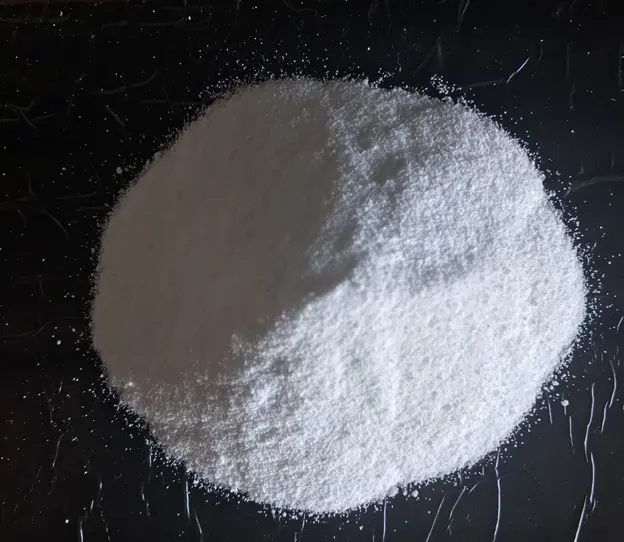

Potassium chloride (KCl) is one of the most widely utilized mineral salts across the chemical, medical, and biomanufacturing sectors. Within the broader family of mineral salts, this compound occupies a unique position due to its functional similarities to sodium chloride, combined with fundamentally different physiological effects. The potassium ion is essential for maintaining electrolyte balance, nerve impulse transmission, muscle contraction, and cardiovascular function.
Growing consumer awareness regarding the health risks of excessive sodium intake—particularly its direct link to hypertension and cardiovascular disease—has driven increased industrial demand for specialized raw materials such as potassium chloride. Research and development teams across food and pharmaceutical manufacturing consistently seek safe, effective alternatives to conventional salt. The applications of potassium chloride extend well beyond a simple mineral salt, and understanding its technical properties is critical to optimizing end-product performance.
The Role of Potassium Chloride in Chemistry and Modern Industry
Potassium chloride is an odorless, white or colorless crystalline compound that readily dissolves in water. Formed by the combination of potassium and chlorine, it belongs to the class of chlorides in terms of crystalline structure. Within the supply chain for inorganic chemicals, it serves not only as a chemical precursor for manufacturing substances such as potassium hydroxide and its derivatives, but also as a biocompatible ingredient across high-specification applications.
The quality and purity of potassium chloride determine its classification into industrial, food (Food Grade), and pharmaceutical (Pharma/USP/EP) grades. Stringent regulatory limits are placed on heavy metals and undesirable impurities in grades intended for oral and parenteral use. Understanding the dissolution behavior and thermodynamic stability of this salt is essential for proper product formulation.
Applications of Potassium Chloride in the Food Industry
The food processing industry is among the largest consumers of food-grade potassium chloride globally. The growing imperative to manufacture clean-label, health-conscious foods has driven formulators to reformulate conventional recipes.
Sodium Chloride Replacement in Low-Sodium Diets
The primary driver for using potassium chloride in food products is its ability to deliver a salty flavor profile without contributing dietary sodium. Sodium-dense diets are strongly associated with hypertension, renal disorders, and vascular events. Consequently, potassium chloride is widely utilized as the primary ingredient in low-sodium diet salts, industrial bakery goods, extruded snacks, and prepared sauces.
Texture Enhancement and Meat Curing
In processed meat manufacturing—including sausages, frankfurters, and cured hams—salts act as functional agents to develop texture and retain moisture. Combining potassium chloride with other functional additives preserves the water-binding capacity of myofibrillar meat proteins. This maintains the desired elasticity and juiciness of the finished meat product without compromising nutritional objectives.
Fermentation Control and Yeast Conditioning in Baking
In industrial baking, controlled amounts of salt are necessary to regulate yeast activity and enzymatic fermentation rates. Incorporating potassium chloride enables formulators to strengthen the gluten network, stabilizing dough rheology, crumb structure, and loaf volume. This approach facilitates the production of reduced-sodium baked goods with a 30% to 40% reduction in sodium content.
Optimizing Sensory and Functional Attributes
While potassium chloride offers substantial nutritional benefits, elevated usage levels can introduce a bitter or metallic aftertaste. Food technologists address this sensory challenge through targeted formulation strategies:
- Incorporating flavor-balancing ingredients such as yeast extracts or amino acids
- Utilizing 50/50 blends of sodium chloride and potassium chloride to maintain authentic salt flavor
- Applying hydrocolloids and polysaccharides as sensory masking agents
- Utilizing KCl as a stabilizer and chelating agent in dairy processing
Applications of Potassium Chloride in Pharmaceuticals and Medicine
In medicine, potassium chloride is a life-saving essential drug administered via parenteral infusions and oral dosage forms. Potassium is the primary intracellular cation in the human body, vital for maintaining cellular resting membrane potential and myocardial contractility.
Treatment and Prevention of Hypokalemia
Hypokalemia is a clinical condition characterized by subnormal serum potassium levels. It frequently results from malnutrition, severe diarrhea, diuretic therapy, or major surgical trauma. Administering pharmaceutical-grade potassium chloride infusions under controlled medical supervision provides the most rapid intervention to correct this deficit and prevent lethal cardiac arrhythmias.
Electrolyte Solutions and Parenteral Infusions
Potassium chloride is a standard constituent of multi-electrolyte IV fluids, Ringer's lactate solution, and oral rehydration salts (ORS). During acute dehydration, infusing solutions containing this salt restores systemic acid-base balance and extracellular fluid osmotic pressure. Stringent purification and bioburden control are mandatory when manufacturing these sterile products.
Dialysis Fluid Formulations
Patients with chronic kidney disease cannot regulate electrolyte balance endogenously. In hemodialysis and peritoneal dialysis processes, specialized dialysate solutions containing potassium chloride are routinely employed. These formulations help remove metabolic waste from blood while maintaining serum potassium within safe physiological boundaries.
Sustained-Release Oral Dosage Forms
Oral ingestion of concentrated potassium chloride can irritate the gastrointestinal mucosa. Leading pharmaceutical companies formulate the compound into sustained-release (SR) tablets and encapsulated micro-pellets. This ensures gradual release of potassium ions throughout the digestive tract, significantly reducing local gastrointestinal side effects.
The Role of Potassium Chloride in Dietary and Sports Supplements
The market for functional health supplements and sports hydration beverages continues to expand, with potassium chloride serving as a core electrolyte component. During prolonged physical exertion, significant volumes of water and ions are lost through perspiration. Potassium depletion leads to premature muscle fatigue, compromised performance, and severe cramping.
Supplement manufacturers incorporate potassium chloride into effervescent tablets, isotonic drink mixes, and functional electrolyte beverages. These formulations accelerate glycogen resynthesis and support skeletal muscle and cardiac output during competition and training. Beyond sports nutrition, the compound is also featured in specialized supplements designed for blood pressure management and vascular health.
Comparing Potassium Chloride with Other Potassium Salts
The chemical and agricultural industries process various other potassium salts that fulfill distinct functional roles. For example, within the category of nitrates, products such as potassium nitrate are primarily directed toward technical agriculture, specialty fertilizers, and specific industrial processes. In contrast, potassium chloride, with its chloride anion, is naturally matched to the osmotic and cellular systems of living organisms.
Furthermore, unlike compounds containing heavy counterions, excess potassium ions derived from potassium chloride are readily eliminated through healthy kidneys via standard homeostatic mechanisms. These functional distinctions underscore the importance of selecting the appropriate potassium derivative based on the biochemical requirements of the application.
Quality Standards, Safety, and Compliance Requirements
Using potassium chloride in food and pharmaceutical formulations requires compliance with rigorous pharmacopeial and regulatory monographs (such as USP, BP, FCC, and regional standards). Key technical parameters for procurement specialists and quality assurance personnel include:
- Impurity Profile: Verifying that concentrations of arsenic, lead, and other heavy metals remain strictly within compendial limits
- Particle Size Distribution (Mesh Size): Crystal sizing tailored to the production process; micronized powders for direct-compression tableting and liquid formulations, and uniform coarse granulations for dry blends
- Moisture-Barrier Packaging: Potassium chloride exhibits mild hygroscopicity, requiring packaging with effective moisture-barrier liners to prevent caking and agglomeration during storage
Summary
The utilization of potassium chloride across the food, pharmaceutical, and dietary supplement sectors plays a strategic role in public health. This versatile mineral salt serves as the foundation for sodium-reduction initiatives in modern food formulation, while remaining an indispensable clinical therapeutic for cellular homeostasis and cardiovascular function. Rigorous adherence to chemical purity standards and the selection of application-specific grades ensure the safety, stability, and quality of the final formulations.