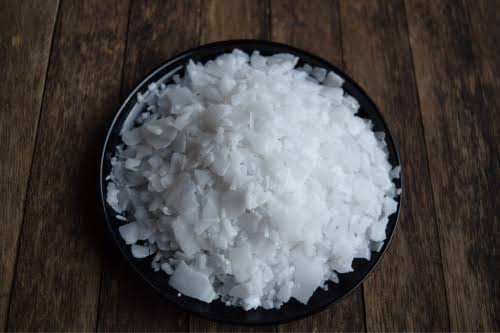

Proper treatment of industrial water and wastewater is a fundamental step in protecting the environment and sustaining production cycles across petrochemical, metallurgical, textile, and food processing facilities. To meet regulatory discharge limits or recycle water within production loops, precise control over chemical parameters—such as acidity and pollutant concentrations—is mandatory. The application of caustic soda flakes in water and wastewater treatment represents one of the most effective and widely adopted chemical engineering solutions globally, owing to its powerful alkaline strength and rapid reaction kinetics. Chemically known as sodium hydroxide, this compound plays a pivotal role in fine-tuning precipitation and neutralization processes.
Within treatment plant operations, alkali dosing management directly dictates coagulation efficiency, toxic substance removal, and pipeline corrosion prevention. Understanding how sodium hydroxide interacts with various acids and salts, selecting compatible equipment, and adhering to rigorous safety protocols enables plant operators to maximize effluent quality.
Sodium Hydroxide and Its Chemical Properties in Aqueous Media
Caustic soda flakes are the solid, flaky, white form of sodium hydroxide that dissolves readily in water to yield a strongly alkaline solution. Classed under bases and alkalis, it dissociates completely in water, liberating substantial quantities of hydroxide ions ($OH^-$). The high hygroscopicity of caustic soda flakes and their intensely exothermic dissolution require deliberate engineering measures during solution make-up to manage heat release safely.
Compared to other alkaline reagents such as hydrated lime or potassium hydroxide, sodium hydroxide leaves virtually no initial sediment or undissolved solids in preparation tanks due to its exceptional aqueous solubility. This property significantly reduces clogging risks in automated dosing systems and metering pumps. Furthermore, its rapid reaction rate facilitates swift, responsive pH adjustments in continuous-flow treatment systems.
Caustic Soda Flakes in Water and Wastewater Treatment for pH Adjustment
One of the most frequent operational objectives in industrial wastewater treatment is bringing acidic effluent to a neutral pH range prior to biological treatment stages or direct environmental discharge. Effluents generated by electroplating, steel manufacturing, tanneries, and chemical synthesis typically carry high loads of mineral acids. Neutralizing these acids is vital to safeguard downstream microbial communities in aeration basins and protect piping networks from aggressive corrosion.
H⁺ + OH⁻ → H₂O
Adding caustic soda flakes rapidly depletes free hydrogen ions, steering the pH toward the optimal 6.5 to 8.5 range necessary for bacterial enzymatic activity. Conversely, in municipal drinking water distribution networks, acidic water leaches heavy metals from pipe walls into the supply stream. Consequently, controlled dosing of caustic soda is applied at the outlet of municipal water treatment plants to reduce corrosivity and stabilize water saturation indices.
Chemical Precipitation and Heavy Metal Removal from Industrial Effluents
Discharging heavy metals such as copper, zinc, chromium, nickel, cadmium, and lead poses an acute hazard to groundwater aquifers. A primary method for separating these contaminants involves converting them from soluble ionic phases into solid precipitates. This is achieved by raising the wastewater pH to metal-specific target values using caustic soda, driving the formation of insoluble metal hydroxide complexes.
- Formation of electrically neutral metal hydroxides
- Enhanced flocculation driven by increased precipitate density
- Feasible physical solid-liquid separation via clarifier settling or filtration
- Reduction of residual dissolved metal concentrations below stringent regulatory thresholds
Each heavy metal exhibits a distinct minimum solubility curve at a specific pH, attainable via precise sodium hydroxide dosing in an agitated reaction tank. Once coagulant aids or polyelectrolytes are introduced, the resulting precipitates form dense, settleable flocs that readily clarify, significantly enhancing effluent quality for downstream processing.
Regeneration of Ion Exchange Resins in Demineralized Water Production
Power generation facilities, high-pressure steam boilers, and pharmaceutical plants demand high-purity demineralized (demin) water with ultra-low electrical conductivity. Ion exchange columns produce deionized water by stripping away dissolved cations and anions; however, the exchange capacity of these resin beds eventually exhausts over operating cycles. In strong-base and weak-base anion exchange columns, sodium hydroxide serves as the primary regenerant chemical.
A warm, dilute caustic soda solution is passed through the exhausted anion resin bed to displace accumulated chloride, sulfate, and other captured anions, recharging the active exchange sites with hydroxide ions. Utilizing high-purity caustic soda flakes prevents unwanted contaminant deposition onto delicate resin matrices. Operators of demineralization units consistently prefer feedstocks with minimal chloride and carbonate impurities to maximize the service life of costly resins.
Enhancing Coagulation and Flocculation Performance
Commonly employed water treatment coagulants, such as aluminum sulfate (alum) and polyaluminum chloride (PAC), require sufficient alkalinity in the raw water to form stable, settleable flocs. When natural raw-water alkalinity is depleted, the hydrolysis of these coagulants proceeds incompletely, leaving residual turbidity. Moreover, the hydrolysis reaction itself consumes alkalinity, dropping the system pH and compromising floc stability.
Caustic soda restores alkalinity by providing hydroxide ions, thereby establishing the necessary chemical environment for the complete hydrolysis of aluminum and iron cations. Under these optimized conditions, flocs form faster, grow denser, and settle rapidly in sedimentation basins. In effluents containing elevated concentrations of inorganic chemicals, maintaining this acid-base balance also prevents problematic sludge floating.
Odor Control and Volatile Compound Abatement in Wastewater Facilities
In sewer collection networks and sludge processing units, anaerobic decomposition of organic matter generates malodorous, hazardous gases, most notably hydrogen sulfide ($H_2S$). Beyond emitting a characteristic rotten-egg odor, hydrogen sulfide oxidizes into sulfuric acid along non-submerged concrete surfaces, causing crown corrosion in gravity sewer mains. Raising the liquid-phase pH represents an established, effective mechanism for suppressing volatile sulfide release.
At a pH above 8.5 to 9.0, the chemical equilibrium shifts, transforming dissolved molecular $H_2S$ into bisulfide ($HS^−$) and sulfide ($S^{2−}$) ions, which remain completely locked in the liquid phase. Continuous sodium hydroxide dosing at lift stations halts gas volatilization, eliminating noxious odors and extending the operational lifespan of concrete and mechanical assets. Furthermore, sodium hydroxide solutions serve as the primary scrubbing liquor in wet chemical scrubbers to neutralize acidic off-gases.
Comparison of Sodium Hydroxide with Alternative Alkaline Reagents
Selecting the appropriate alkali for a water treatment facility depends on chemical cost, sludge production, dosing system maintenance, and reagent purity. The most common alternatives to caustic soda flakes are hydrated lime (calcium hydroxide) and soda ash (sodium carbonate). The table below outlines key operational differences:
| Process Indicator | Caustic Soda Flakes (Sodium Hydroxide) | Hydrated Lime (Calcium Hydroxide) | Soda Ash (Sodium Carbonate) |
|---|---|---|---|
| Dissolution & Reaction Rate | Extremely rapid | Low to moderate | Moderate |
| Secondary Sludge Generation | Minimal | Very high (calcium sludge) | Low |
| Dosing Equipment Clogging | Rare | High (requires frequent line flushing) | Low to moderate |
| Automation Compatibility | Simple, precise, and fully automated | Demanding (requires slurry pumps) | Straightforward |
| Effect on Water Hardness | Adds zero calcium hardness | Significantly increases calcium hardness | Moderately reduces hardness via softening |
While hydrated lime may feature a lower unit purchase price, the hidden operational expenses—including handling massive sludge volumes, recurring line-plugging maintenance, and pump mechanical wear—frequently make sodium hydroxide the more cost-effective choice on a total-cost-of-ownership basis.
Safety Guidelines, Storage, and Dosing Standards for Caustic Soda
Sodium hydroxide is a strong, highly corrosive base capable of causing irreversible chemical burns upon contact with skin or eye tissue. Bags of caustic soda flakes must be stored in cool, dry, well-ventilated indoor facilities. Because the material is exceptionally hygroscopic, ambient moisture absorption causes caking and diminishes effective chemical strength. Furthermore, prolonged exposure to atmospheric carbon dioxide leads to surface carbonation, converting active hydroxide into sodium carbonate.
During solution make-up, operators must strictly adhere to the golden rule of chemical mixing: always add caustic soda flakes slowly into water, never water onto solid caustic soda. Introducing water directly onto a bulk mass of flakes can generate violent, localized boiling and dangerous chemical eruptions. Operators must wear full personal protective equipment (PPE), including chemical splash goggles, heavy-duty nitrile gloves, face shields, and chemical-resistant suits. Make-up and storage tanks should be fabricated from compatible materials, such as high-density polyethylene (HDPE) or corrosion-resistant stainless steel grades.
Conclusion
Employing caustic soda flakes in water and industrial wastewater treatment delivers high operational efficiency, precise chemical control, and dependable process performance. As a critical reagent in modern environmental engineering, it allows operators to manage heavy metal precipitation, acid neutralization, odor mitigation, and water stability indices with exceptional accuracy. By implementing accurate dosing strategies and upholding robust engineering and safety standards, industrial facilities can protect precious water resources, preserve downstream infrastructure, and avoid costly environmental non-compliance penalties.