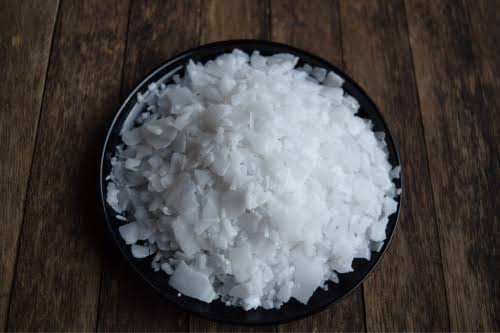

The paper and paperboard manufacturing sector is a cornerstone of global packaging and cellulose industries. Transforming raw wood chips or recycled waste into high-quality paper sheets requires intricate chemical reactions across various pulping and refining stages. Among diverse chemical reagents, the application of caustic soda flakes in paper manufacturing as a primary reactant and critical alkaline regulator plays a decisive role in production line efficiency.
Caustic soda (sodium hydroxide), with its high solubility and strong thermodynamic reactivity, is the ideal choice for breaking down resilient lignin bonds. Without it in the chemical digestion cycle, isolating cellulose fibers would incur prohibitive costs and cause a severe drop in the final tensile strength. Leading cellulose mills manage their consumption precisely by adopting standard training guidelines for chemical cooking principles.
Pulping Chemistry and the Role of Caustic Soda
Wood consists of three primary components: cellulose, hemicellulose, and lignin. Cellulose serves as the main structural backbone that imparts strength to paper, while lignin acts as a biological binder holding the fibers firmly together. To produce high-grade paper pulp, lignin must be dissolved and extracted without cleaving the cellulose molecular chains.
Sodium hydroxide, as one of the most vital bases and alkalis, creates a strongly alkaline reaction medium. This elevated pH hydrolyzes the ether and ester linkages within the macromolecular structure of lignin. The resulting fragments dissolve readily into the aqueous phase and are separated from the cellulose fiber network.
Utilizing standard-grade industrial alkalis requires an understanding of their physical properties and chemical purity. To examine the technical specifications and production parameters of this chemical, you can review the technical articles in the caustic soda flakes section. Sourcing raw materials with minimal carbonate and heavy metal impurities directly preserves the structural stability of the wood pulp.
The Kraft Process and the Use of Caustic Soda Flakes in Papermaking
The Kraft process, also known as sulfate pulping, is the predominant industrial method for producing paper pulp with superior mechanical strength. In this process, wood chips are cooked inside a pressurized digester with a solution known as white liquor. White liquor is a precisely formulated blend of sodium hydroxide and sodium sulfide.
The presence of sodium hydroxide accelerates the penetration of the cooking liquor into the inner layers of the wood chips. The reaction between caustic soda and lignin ionizes phenolic structures, generating free hydroxyl groups. This ionization enhances the permeability of the lignin matrix, allowing hydrosulfide ions to cleave stubborn chemical bonds.
Tight control of caustic soda concentration inside the digester is essential; an excessive concentration can cause unwanted cellulose depolymerization and reduce the tear strength of the paper. Conversely, insufficient alkali concentration leaves residual lignin behind, resulting in dark, under-cooked pulp.
Bleaching and Delignification Stages of Cellulose Fibers
Pulp extracted from chemical digesters typically possesses a dark brown color due to residual, modified lignin fragments. For writing, printing, and sanitary tissue papers, a bleaching sequence is mandatory. This operation runs through multiple consecutive stages where the alkaline extraction phases depend directly on caustic soda consumption.
Alkaline extraction stages are designed to wash out and dissolve organic compounds degraded during chlorination or oxidation steps. If oxidized lignins are not removed from the pulp mass, subsequent bleaching stages consume excessive oxidizing agents. In this stage, sodium hydroxide neutralizes chlorinated compounds and converts them into soluble salts that are rinsed away in the filtrate.
Using premium sodium hydroxide alongside other inorganic chemicals in cellulose plants prevents optical haze and sheet discoloration. Maintaining the pH within the optimal alkaline window minimizes unwanted cellulose oxidation, securing long-term brightness without post-yellowing.
Key Benefits of Sodium Hydroxide in Papermaking Lines
Employing high-purity caustic soda flakes delivers multiple operational benefits to paper production lines that extend well beyond lignin separation. Plant managers design caustic soda dosing protocols around several core performance metrics:
- Controlled fiber swelling: Increases the fiber-water contact surface, improving inter-fiber bonding during pressing and drying on the Fourdrinier wire.
- Reduced mechanical refining energy: Softening fibers under alkaline conditions cuts the electrical energy and time needed for mechanical beating and refining.
- Enhanced dispersion of fillers and additives: A uniform alkaline phase promotes homogeneous distribution of starch, kaolin clay, and sizing agents throughout the web.
- Color and brightness retention: Suppresses the formation of acidic free radicals during long-term storage of paper documents.
These factors demonstrate that sodium hydroxide is not merely a consumable reactant in cooking, but a process tool to tailor the rheological behavior of the pulp suspension.
Raw Wood Chips ──> Digester (White Liquor: Caustic Soda + Sulfide) ──> Lignin Separation ──> Washing & Bleaching (Alkaline Extraction) ──> Papermaking Sheet Formation
The Role of Caustic Soda Flakes in Paper Recycling and De-Inking
Today, a significant share of corrugated packaging, testliner, and fluting medium is produced from recycled waste paper and old corrugated containers (OCC). In secondary fiber processing, compacted fibers must first be repulped and suspended in hydrapulpers. Adding sodium hydroxide at this point is an essential and cost-effective operational step.
Caustic soda swells the cell walls of recycled fibers, restoring the flexibility lost during previous drying and hornification cycles. By increasing fiber hydrophilicity, hydrogen bonds between fibers break apart smoothly, yielding a uniform pulp slurry free of fiber bundles. This fiber swelling also improves the efficiency of downstream screening, cleaning, and debris rejection systems.
Furthermore, in recycling printed graphic papers, the de-inking process cannot proceed without alkaline conditions. Caustic soda saponifies the ink resins and synthetic binders that affix ink pigments to fibers. Once these bonds are cleaved, carbon black and pigment particles detach and are swept to the slurry surface by air bubbles in flotation de-inking cells.
Effluent Treatment in Paper Mills Using Alkalis
Paper and board mill wastewater carries heavy pollutant loads containing suspended cellulose fines, degraded wood sugars, and organic acids. Regulating wastewater pH before it reaches biological aeration basins is critical to sustain active microbial biomass. Caustic soda is continuously dosed for precise pH neutralization of acidic effluents originating from digestion and bleaching lines.
Neutralizing effluent with caustic soda flakes rather than hydrated lime slurries offers a key process benefit: it avoids generating insoluble calcium sulfate (gypsum) scale in discharge lines. This drastically reduces scaling inside piping networks and centrifugal pumps. Consequently, it supports closed-loop water recirculation systems and curtails overall freshwater intake.
Technical Storage Considerations and Safety Handling of Caustic Soda Flakes
Caustic soda flakes are highly hygroscopic and rapidly absorb atmospheric moisture and carbon dioxide, converting partially into sodium carbonate. Therefore, paper mill chemical warehouses must have alkali-resistant concrete floors and controlled ventilation. Heavy-duty polypropylene bags lined with thick polyethylene inner liners provide the best packaging solution to prevent caking and moisture ingress.
Dissolving caustic soda flakes in water is an intensely exothermic reaction, and splashes can cause deep chemical burns on skin and tissue. Chemical handling personnel must always wear extended nitrile gloves, full-face protective shields, and alkali-resistant aprons. Installing emergency eyewash stations and safety showers adjacent to chemical dissolution tanks and digester feed units is an indispensable industrial standard.
Conclusion and Future Outlook of Alkali Consumption in Cellulose Industries
A rigorous understanding of the application of caustic soda flakes in paper manufacturing enables process engineers to elevate paper quality while controlling energy expenditure. Sodium hydroxide remains an irreplaceable reagent for delignification, extraction of degraded matter during bleaching, and fiber rehydration during recycling.
As paper machines run at higher speeds and environmental discharge regulations tighten, optimizing alkali dosage and securing reliable, high-purity chemical raw materials have become distinct competitive advantages. Industrial facilities that source standardized, low-impurity caustic soda flakes reduce downtime, protect machinery, and achieve sustainable manufacturing performance.