
Introduction and the Significance of Meat Curing
Meat curing is one of the oldest methods of food preservation, historically combining common salt and nitrogen derivatives to extend the shelf life of protein tissues. With advancements in food science, nitrogenous compounds were found to play a fundamental role in color fixation, flavor enhancement, and, above all, microbial safety. Today, the application of sodium nitrite in the food industry represents a cornerstone in the production of processed meat products such as sausages, frankfurters, bacon, and ham.
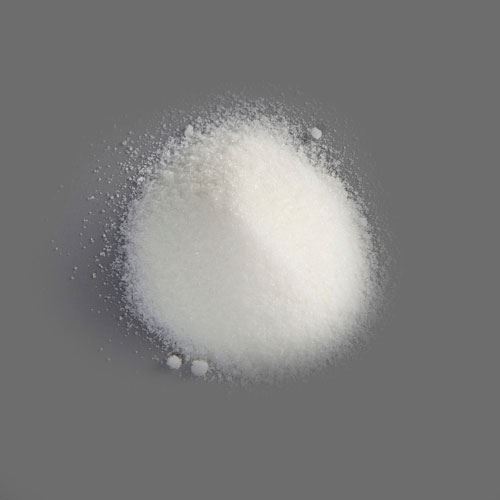
Sodium nitrite, with the chemical formula NaNO2, is one of the most widely used compounds in the preservative additive category. In industrial markets, access to high-purity, food-grade material is critical, and food processing plants continuously require standard raw materials. To properly utilize this compound, it is necessary to understand its chemical structure and its interaction with animal muscle tissue during thermal processing and chilling. Sourcing this chemical through specialized suppliers of sodium nitrite forms a vital link in the supply chain of meat manufacturing facilities.
This chemical compound not only enhances the organoleptic and sensory attributes of meat, but it also creates a robust barrier against pathogenic microorganisms. The handling of nitrogenous compounds in food manufacturing demands precise control over technical parameters, biochemical kinetics, and regulatory limits. This article provides an in-depth examination of the biochemical role, technical benefits, safety considerations, and regulatory standards associated with this essential additive.
The Role of Sodium Nitrite as an Antimicrobial Preservative
The primary technical justification for using sodium nitrite in the food industry is its outstanding ability to inhibit anaerobic microorganisms. Clostridium botulinum is an exceptionally hazardous, spore-forming bacterium capable of producing botulinum neurotoxin. This toxin ranks among the most potent biological poisons known, where even microscopic doses can cause respiratory paralysis and death.
Processed meat products are typically packaged under anaerobic (vacuum) conditions and subjected to moderate cooking temperatures. These conditions create an ideal environment for heat-resistant anaerobic spores to germinate and proliferate. Sodium nitrite effectively prevents the outgrowth of surviving spores following thermal processing. This level of protective efficacy is unmatched by conventional food preservatives.
Beyond Clostridium, sodium nitrite inhibits a broad spectrum of spoilage organisms. The compound disrupts bacterial respiratory enzyme systems and fermentative pathways, arresting cellular metabolism. Consequently, the incorporation of this industrial salt ensures extended shelf life and stability across the distribution chain.
Biochemical Mechanism of Color Fixation in Meat Processing
The characteristic bright pink or red hue of cured meats is the result of a precise biochemical sequence. In fresh muscle tissue, the hemoprotein myoglobin is responsible for oxygen storage and imparts the natural red color of meat. However, native myoglobin is thermally unstable; upon heating, it oxidizes to form denatured metmyoglobin, turning the tissue an unappealing dull gray-brown.
When sodium nitrite is introduced into the meat emulsion, weak acids and reducing agents present in the tissue convert nitrite into nitric oxide (NO) gas. This reactive intermediate binds rapidly to the ferrous iron (Fe2+) atom in the heme ring of myoglobin, producing nitrosomyoglobin. This initial coordination complex forms the foundation of cured meat coloration.
During thermal cooking, nitrosomyoglobin undergoes protein denaturation, yielding a stable pigment called nitrosohemochrome (nitrosyl-protoheme). This pigment exhibits high thermal and photolytic stability, delivering the signature pink color associated with cured ham and sausages. Without the addition of nitrite, achieving this stable, visually appealing color in industrial meat processing is virtually impossible.
Flavor Enhancement and Lipid Oxidation Inhibition
Another critical functional aspect of sodium nitrite in food processing is its capacity to retard lipid oxidation. Fats in processed meats—especially in the presence of atmospheric oxygen and pro-oxidant free metal ions like iron—are highly prone to oxidative degradation. Lipid peroxidation leads to the formation of off-flavor aldehydes and ketones, causing the unpleasant rancid defect known as warmed-over flavor (WOF) in reheated products.
Sodium nitrite suppresses these degradative pathways through multiple mechanisms:
- Chelation of free iron ions, preventing them from catalyzing lipid oxidation chain reactions.
- Direct scavenging and neutralization of free radicals generated during the oxidation of unsaturated fatty acids.
- Generation of the characteristic cured flavor profile expected by consumers in cooked meat products.
- Protection of polyunsaturated fatty acids, thereby preserving the nutritional integrity of the food matrix.
These antioxidant properties keep the product flavor profile fresh throughout its target shelf life. Combined with bacterial inhibition, sodium nitrite delivers comprehensive sensory and chemical stability.
Comparing Nitrites and Nitrates in the Curing Process
In traditional charcuterie and modern food processing, clear distinctions are made between nitrate and nitrite salts. Quality control specialists must understand the behavior of the nitrites family compared to that of nitrates. Nitrates are chemically more stable and cannot directly coordinate with myoglobin to form the cured pigment.
For nitrate to become functionally active in muscle tissue, nitrate-reducing bacteria must slowly reduce it to nitrite via enzymatic pathways. Because of this slow-release mechanism, nitrates are primarily suited for dry-cured, long-ripened, and fermented meat products such as traditional dry salamis. Conversely, modern high-throughput processing lines rely on rapid thermal cycles and immediate packaging, requiring the direct addition of nitrite. Sodium nitrite provides immediate reaction kinetics, optimizing production throughput.
Usage Standards and Nitrosamine Formation Considerations
Despite its substantial technological benefits, sodium nitrite must be used in strict adherence to regulatory standards and defined dosing thresholds. Under specific conditions—such as high frying temperatures (e.g., crispy bacon preparation) or highly acidic environments—residual nitrite can react with secondary amines in meat proteins to form volatile N-nitrosamines. Certain nitrosamines are classified as undesirable compounds, requiring rigorous monitoring.
To mitigate nitrosamine formation, food safety authorities worldwide have established strict maximum limits for residual nitrite in finished goods. Furthermore, meat processors routinely incorporate cure accelerators such as sodium ascorbate or sodium erythorbate (vitamin C derivatives) into their formulations. These reducing agents accelerate the conversion of nitrite to nitric oxide, driving the color-forming reaction with myoglobin and leaving minimal unreacted nitrite available to bind with amines.
Responsible application of mineral salts in food processing requires strict compliance with validated scientific recipes to protect public health. The widespread use of standardized curing salts (Prague powder), which blend precise percentages of sodium nitrite with food-grade sodium chloride, prevents accidental dosing errors on the processing floor.
Research and Biological Alternatives to Sodium Nitrite
Recent consumer demand for clean-label products with fewer synthetic chemical additives has led industrial R&D teams to explore natural alternatives. The most common commercial approach is the application of vegetable extracts naturally high in nitrate, such as cultured celery powder or fermented celery juice.
These plant-based ingredients supply high concentrations of natural nitrates, which are subsequently reduced to nitrite using bacterial starter cultures. However, the functionally active molecule remains identical: nitrite. Its antimicrobial action and pigment-forming mechanisms are chemically indistinguishable from those of synthetic sodium nitrite. Key technical hurdles with vegetable extracts include managing residual vegetable off-flavors and accounting for seasonal variations in natural nitrate concentration.
Consequently, purified, food-grade sodium nitrite remains the most consistent, cost-effective, and reproducible solution for ensuring microbiological safety in high-volume meat processing.
Technical Storage and Safety Guidelines in Processing Lines
Sodium nitrite is a chemically reactive oxidizing compound. Its storage and handling within manufacturing facilities require disciplined adherence to industrial hygiene protocols:
- Store material in a cool, dry, well-ventilated area, protected from moisture and direct sunlight.
- Prevent any contact between sodium nitrite and strong acids to avoid the immediate evolution of toxic nitrogen oxide fumes.
- Ensure clear, prominent labeling on all storage bags and batching bins to avoid accidental cross-contamination with food-grade table salt.
- Require line operators handling pure concentrated powders to use appropriate PPE, including dust masks, gloves, and protective eyewear.
For deeper technical insight into chemical reactions and raw material handling protocols across manufacturing environments, review the guides available in our training section.
Conclusion
The application of sodium nitrite in the food industry is an essential tool for microbiological safety, color fixation, and sensory preservation in meat products. Through its targeted inhibition of Clostridium botulinum, it has rendered commercial meat processing safe across global distribution networks.
By adhering to regulatory dosage thresholds and pairing nitrite with modern reducing agents, industrial processors leverage all the functional and protective benefits of this salt safely and effectively. To maintain premium product quality and safeguard consumer trust, modern meat processors must rely on rigorous technical standards and certified chemical inputs.