
The textile processing and wet-finishing industry is closely tied to applied chemical engineering. Across the entire textile manufacturing chain—from fiber preparation and scouring to dyeing and final printing—a broad spectrum of specialty compounds is required. Within this domain, the application of sodium nitrite in dyeing, textile, and printing industries occupies a critical and strategic position. Characterized by its controlled oxidizing properties and reactivity in acidic media, this inorganic compound serves as an essential tool for textile engineers and dye chemists alike.
A precise understanding of its chemical behavior and its interactions with fibers, dyes, and auxiliary agents is fundamental to achieving high wash fastness and minimizing production reject rates. Incorporating sodium nitrite into wet-finishing and dyeing sequences optimizes reaction kinetics and improves the surface appearance and yield of processed textiles.
Chemical Nature of Sodium Nitrite and Its Importance in Textiles
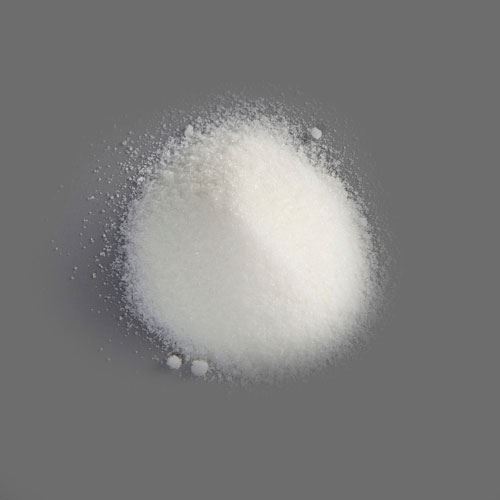
Sodium nitrite is an ionic compound classified under nitrites. It typically presents as a white to slightly yellowish crystalline solid and exhibits high solubility in water. This high aqueous solubility ensures uniform dispersion throughout textile processing baths, preventing localized concentrations that could cause spotting or uneven dye uptake on fabrics.
In an acidic medium, sodium nitrite generates nitrous acid, an unstable and highly reactive intermediate. The controlled dissociation of nitrous acid liberates nitrosonium ions ($\text{NO}^+$), which constitute the electrophilic species in various dye-coupling and fixation reactions. Unlike inert neutral salts, sodium nitrite readily undergoes redox transformations, making it highly valuable in printing discharge formulations and post-dye wash sequences.
Azo Dye Synthesis and the Diazotization Process
The primary cornerstone of sodium nitrite application in dyeing, textiles, and printing is its role in diazotization reactions. Azo dyes account for more than half of global textile dyestuff production, offering an expansive color gamut that spans bright yellows, oranges, deep reds, browns, and blacks.
During diazotization, sodium nitrite reacts with a primary aromatic amine in the presence of an excess mineral acid. The resulting diazonium salt is an exceptionally reactive intermediate that readily couples with electron-rich aromatic compounds such as phenols or naphthols. Within the scope of organic chemicals, this coupling mechanism forms the synthetic foundation for direct, acid, and disperse dyes. Precise control over nitrite stoichiometry and bath temperature is essential to prevent premature thermal degradation of the diazonium intermediate.
Dyeing Cellulosic Fibers with Naphthol (Azoic) Dyes
In azoic or ingrain dyeing, insoluble colorants are formed directly inside the microstructural amorphous regions of cellulosic fibers. This in-situ coupling technique is extensively utilized for cotton and linen fibers because it imparts exceptional wash fastness and rub fastness.
The procedure is executed in two fundamental steps:
- Naphtholation: Impregnating the fabric with an alkaline naphthol solution, typically stabilized using bases and alkalis to ensure complete molecular dissolution.
- Color Development: Passing the impregnated substrate through a development bath containing a diazonium salt, which is freshly prepared by reacting an aromatic amine base with sodium nitrite.
The moment these two components interact inside the cellulosic pores, coupling occurs almost instantaneously, precipitating a water-insoluble azo pigment locked within the fiber matrix. Sodium nitrite serves as the core activation agent required to generate and stabilize the diazo component for successful coupling.
Applications of Sodium Nitrite in Fabric Printing
In textile printing, sodium nitrite functions both as a specialized constituent of print pastes and as a secondary developing and fixing agent. It plays an indispensable role in discharge printing and resist printing techniques.
In discharge printing on dark-dyed textiles, a print paste containing a discharging agent is applied to destroy the ground color in specified design zones. Owing to its selective, mild oxidizing power, sodium nitrite is formulated into discharge systems requiring targeted oxidation of discharge-sensitive dyes. This chemistry enables the production of crisp designs, fine line definitions, and sharp edge boundaries without ground bleeding.
Furthermore, in vat dye printing, the dyestuff must undergo controlled oxidation back to its insoluble pigmentary form after initial reduction and fiber diffusion. Sodium nitrite, in dilute acidic baths, provides rapid, uniform oxidation that develops the true target shade quickly without damaging the tender cellulose fiber backbone.
Role of Sodium Nitrite in Synthetic Fiber Dyeing
Synthetic substrates such as polyester, polyamide (nylon), and polyacrylonitrile (acrylic) possess tight, hydrophobic crystalline structures that interact differently with dyestuffs compared to natural fibers. Dyeing these polymers—particularly polyacrylic substrates—frequently requires cationic or modified disperse dyes.
In nylon dyeing, precise pH regulation and uniform dye oxidation are essential for level outcomes. Specialized inorganic salts, including sodium nitrite, are used in bath optimization regimens to regulate dye strike rates. This addition mitigates unlevelness and barré effects when producing deep, heavy shades on polyamide substrates.
Additionally, in high-temperature (HT) polyester dyeing under pressure, trace quantities of sodium nitrite can be introduced as a protective additive. It acts as an antichlor and prevents unwanted chemical reduction of sensitive disperse dyes caused by contact with metallic boiler surfaces or auxiliary reducing impurities.
Finishing Operations, Washing, and Bleaching
Following wet processing, residual unfixed dye and surface-adsorbed pigment deposits inevitably remain on the fabric surface. If left unremoved, these unfixed species severely degrade wash, wet, and crock fastness ratings. After-clearing and scouring procedures are engineered specifically to eliminate these surface contaminants.
In continuous washing ranges, sodium nitrite may be introduced alongside non-ionic detergents to oxidize and strip lingering aromatic amines and diazo residuals. Additionally, the compound is applied in chemical bleaching baths. When sodium chlorite is used to bleach synthetic fibers or cellulosic blends, the controlled addition of sodium nitrite suppresses toxic, corrosive chlorine dioxide gas evolution, safeguarding machinery from severe pitting corrosion and stabilizing the processing bath.
Safety, Environmental, and Storage Considerations
Sodium nitrite is classified as an oxidizer and toxic salt, requiring rigorous protocols for storage, material handling, and plant effluent management. Failure to observe standardized handling measures in industrial facilities can create fire hazards or release toxic nitrogen oxide vapors.
Key engineering and plant management guidelines include:
- Segregation from Acids: Sodium nitrite must be strictly isolated from direct contact with concentrated mineral acids; their accidental mixing produces an immediate, exothermic release of toxic nitrogen dioxide ($\text{NO}_2$) gas.
- Dry and Cool Storage: The chemical is hygroscopic. Elevated ambient humidity promotes caking, causing dosing inaccuracies and dissolution problems in automated dispensing systems.
- Wastewater Treatment: Industrial effluent bearing nitrite cannot be discharged directly into municipal streams or natural bodies of water. Textile effluent treatment plants (ETPs) must utilize biological nitrification-denitrification sequences or chemical oxidation stages to reduce nitrite ions to compliant regulatory levels.
- Personal Protective Equipment (PPE): Plant personnel responsible for weighing, handling, and formulating bath concentrates must wear particulate respirators, chemical safety goggles, and impermeable nitrile or neoprene gloves.
Conclusion
Overall, the application of sodium nitrite in dyeing, textile, and printing industries extends far beyond that of a conventional processing aid; it is an indispensable chemical driver in producing stable shades, synthesizing azo dyestuffs, and executing high-definition fabric printing techniques. A thorough grasp of how this inorganic salt interacts within acidic and basic environments allows textile chemical engineers to achieve peak color fastness, shade depth, and leveling across natural and synthetic fibers. By controlling reaction kinetics and adhering strictly to chemical safety and wastewater management protocols, textile wet-processing facilities can consistently optimize product quality and operational throughput.