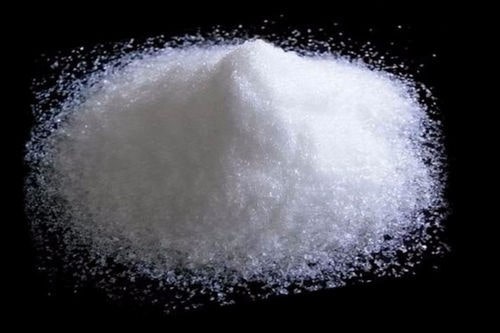

The tile, ceramic, and glaze industry relies heavily on the precise control of high-temperature physical and chemical reactions. In the production of high-quality, transparent glazes, raw material selection plays a decisive role in reducing surface defects, enhancing gloss, and stabilizing color shades. Among the widely used inorganic compounds in this sector are nitrate salts. The application of sodium nitrate in ceramic glazes has an established place in frit and glaze formulations due to two vital functions: supplying sodium oxide as an effective flux and acting as a powerful oxidizing agent.
Manufacturers of industrial glazes and ceramic wares require materials that not only form a uniform vitreous phase but also shield the kiln atmosphere against reducing gases. Examining the thermal behavior of this salt across temperature ranges and its interaction with siliceous oxides demonstrates how proper dosing significantly elevates the quality of the final product.
The Role of Sodium Oxide and Fluxes in Glaze Structure
A glaze is essentially a thin layer of glass fused and bonded onto a ceramic body. The base glass network consists of network formers such as silica, which exhibit very high melting temperatures. To lower this melting point and produce a homogenous, fluid melt, the addition of fluxes is essential.
Sodium oxide ($Na_2O$) is one of the most potent alkaline oxides for lowering melt viscosity and reducing the melting point of silica. Compounds classified under inorganic chemicals fulfill this role of delivering sodium oxide. Once sodium enters the molten matrix, it modifies silicon-oxygen bonds and enhances glaze flowability.
This fluxing action allows trapped gases within the body and glaze to escape, effectively preventing common defects such as blistering, pinholing, and surface waviness.
Thermal Decomposition and Chemical Behavior of Sodium Nitrate in the Kiln
A major reason for preferring this compound over certain alternatives lies in its thermal behavior and the nature of the gases released during decomposition. Upon heating in the kiln, this inorganic salt decomposes across specific temperature ranges, liberating oxygen.
The general reaction mechanism shows that the compound initially releases oxygen and, upon further heating, converts into sodium oxide. The liberated oxide reacts directly with the molten silica network, integrating into the glass structure.
The key advantage over alternatives such as carbonates is that carbonates release substantial volumes of carbon dioxide at elevated temperatures. If carbon dioxide release coincides unfavorably with glaze fusion, the gas becomes entrapped in the viscous melt, causing structural defects. In contrast, the decomposition gases from nitrates evolve during the earlier stages of melting, facilitating a smoother, defect-free reaction.
The Oxidizing Agent: The Secret to Glaze Clarity and Color Stability
The fundamental importance of sodium nitrate in ceramic glazes stems from its performance as an oxidizing agent. In both traditional and modern kilns, soot, carbon, organic matter, or burner fluctuations can shift the firing atmosphere into a reducing state.
A reducing atmosphere produces detrimental effects on glaze appearance and coloration:
- Phase changes in metallic oxides: Metals such as iron present in clays or pigments rapidly reduce from the ferric state ($Fe^{3+}$) to the ferrous state ($Fe^{2+}$), leading to grey, dark greenish stains or a muddy glaze appearance.
- Combustion of carbonaceous matter: By releasing oxygen gas, sodium nitrate completely oxidizes unburned carbon and sulfur impurities, facilitating their expulsion as neutral volatile gases.
- Stability of sensitive pigments: Certain ceramic pigments require a strictly stable oxidizing environment to exhibit their true brilliance and luster in transparent glazes.
Consequently, adding controlled amounts of this compound ensures that the fired glaze achieves a brilliant, uniform surface with precise color reproduction.
Differences Between Raw Glazes and Ceramic Frit Production
A crucial technical consideration when handling this salt is its exceptionally high water solubility. If a water-soluble compound is added directly to a raw glaze slip applied to a green ceramic body, it migrates to the surface during drying (efflorescence), resulting in localized post-firing defects like blisters and uneven fusion.
For this reason, the bulk of this salt is utilized during the fritting stage:
- Frit batch preparation: Sodium nitrate powder is dry-blended with quartz, feldspar, boron compounds, and other batch materials.
- Smelting in the frit furnace: The mixture is melted in high-temperature furnaces, where all oxidation reactions and gas evolutions occur.
- Quenching into glass granules: The molten mass is quenched in cold water to yield a vitreous, water-insoluble granular frit.
- Milling and application: The resulting frit is finely milled and incorporated into the glaze slip as a completely insoluble, stable material.
This approach allows manufacturers to leverage all the benefits of sodium oxide and degasification during frit synthesis without encountering solubility-related issues on the glaze application line.
Applications in Enamels and Porcelain-Coated Steel
Beyond ceramic tiles and sanitaryware, metal enameling and porcelain-coated sheet steel also depend heavily on oxide fluxes. In the iron and steel enameling sector, the adhesion of the glass enamel to the substrate depends on controlled interfacial oxidation reactions.
The presence of nitrate in the enamel frit melt assists in eliminating reducing gases from the steel surface, preventing hydrogen fish-scaling, blistering, and delamination induced by thermal stresses. To evaluate the comparative behavior of related industrial oxidizers, reviewing the properties of sodium nitrite provides comprehensive insight into nitrogen-bearing salts in oxidation control processes.
Furthermore, across glaze manufacturing facilities, securing reliable supply chains for essential product lines such as nitrates and various inorganic salts is vital for optimizing complex formulations.
Safety and Quality Control Guidelines in Ceramic Manufacturing
When handling nitrate salts in frit and ceramic processing plants, adherence to strict safety and quality control parameters is essential:
- Proper storage: The material must be stored in a dry environment away from heat, moisture, and combustible organic substances to preserve its free-flowing crystal structure and prevent caking.
- Chemical purity: Heavy impurities, particularly free iron, can degrade glaze whiteness and coloration; high chemical purity is therefore imperative.
- Degasification temperature control: The firing curve of the frit furnace must be designed so that nitrate decomposition finishes before the melt reaches critical viscosity, ensuring all oxygen and nitrogen oxides escape cleanly.
Conclusion
A sound technical understanding of sodium nitrate applications in ceramic glazes enables production engineers and plant managers to maintain a uniform oxidizing kiln atmosphere and optimize frit melt rheology, delivering brilliant, durable, and defect-free finished ceramics. Securing a consistent supply of technical-grade sodium nitrate is a pivotal step toward maintaining quality stability and minimizing scrap rates in modern ceramic manufacturing.