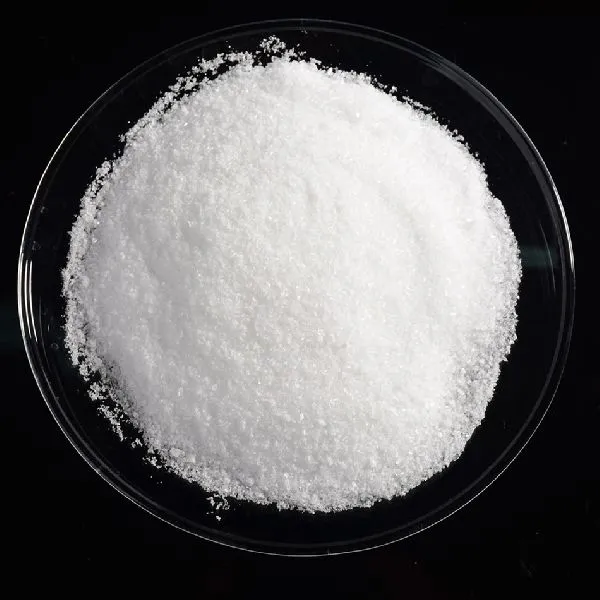

Treating and maintaining wells, sewer networks, and water conveyance pipelines represents a critical operational challenge across municipal utilities, industrial plants, and the oil and gas sector. Among the various biochemical compounds used in these operations, inorganic salts play a pivotal role. In recent years, the application of calcium nitrate in well treatment has gained widespread adoption among wastewater engineers as an environmentally sustainable, safe, and highly efficient solution for odor abatement, hydrogen sulfide elimination, and microbial corrosion mitigation.
Sludge accumulation, the absence of dissolved oxygen, and the proliferation of anaerobic microorganisms in well environments create optimal conditions for generating corrosive and lethal gases. This technical article examines the biochemical mechanisms, operational advantages, and engineering considerations of deploying this inorganic compound in well remediation and wastewater management.
Biochemical Principles and the Role of Calcium Nitrate in Well Treatment
In deep anaerobic environments such as septic wells, extended sewer mains, and wet collection sumps, dissolved oxygen is rapidly depleted by biological activity. Once oxygen is exhausted, sulfate-reducing bacteria (SRB) proliferate, utilizing dissolved sulfates in the water. The metabolic byproduct of this anaerobic pathway is hydrogen sulfide (H2S)—a foul-smelling, highly toxic, and corrosive gas.
Introducing calcium nitrate radically alters the thermodynamic conditions of the aquatic environment. Dosing nitrate stimulates the rapid growth and activity of nitrate-reducing bacteria (NRB). From a bioenergetic standpoint, microorganisms derive significantly higher Gibbs free energy by reducing nitrate rather than sulfate. Consequently, NRB outcompete SRB, effectively inactivating them and biochemically suppressing the sulfate-reduction pathway responsible for H2S generation.
Beyond preventing new H2S synthesis, nitrate-consuming bacteria can also metabolize and biologically oxidize existing sulfides already dissolved in the wastewater or settled within the bottom sludge. This biological oxidation process converts sulfides into elemental sulfur or inert sulfates, neutralizing odors at their source and decontaminating the effluent of toxic compounds.
Benefits of Controlling Hydrogen Sulfide and Toxic Gases
Hydrogen sulfide gas poses severe occupational hazards, causing acute respiratory paralysis and fatalities among maintenance personnel, alongside generating offensive rotten-egg odors in surrounding industrial and residential areas. Conventional mitigation methods, such as chlorine dosing or harsh chemical oxidizers, carry high operating expenses and significant safety risks.
Utilizing nitrates as alternative electron acceptors provides a sustained, continuous treatment mechanism. Unlike direct chemical oxidizers, whose efficacy is largely confined to the injection point, the biological stabilization provided by nitrate persists throughout the well depth and extends kilometers downstream into connected collection networks.
- Prevents acute occupational toxicity and respiratory hazards caused by hydrogen sulfide exposure.
- Eliminates foul odor emissions from septic collection wells and wet wells in municipal and industrial zones.
- Provides long-term biological stability by rebalancing the microbial ecosystem within the well.
- Generates no persistent toxic residues or hazardous volatile byproducts during microbial degradation.
Optimizing gas mitigation through biochemical nitrate dosing also lowers capital and operating expenses associated with forced-air mechanical ventilation systems and expensive granular activated carbon adsorption scrubbers at wellheads.
Preventing Biogenic Corrosion of Concrete and Metallic Infrastructure
One of the most destructive degradation mechanisms in wastewater wells and gravity sewers is microbial induced corrosion (MIC) of concrete crowns and metal piping. Hydrogen sulfide gas released into the headspace partitions onto damp concrete walls, where aerobic bacteria of the genus Thiobacillus oxidize it. This biological reaction generates concentrated mineral acids, predominantly sulfuric acid (H2SO4), directly on the inner infrastructure surfaces.
Sulfuric acid reacts aggressively with the calcium silicate hydrate matrix in cement, converting it into soft, expansive gypsum and ettringite. This causes severe spalling, structural cracking, and eventual structural collapse of well walls and surrounding ground subsidence. By arresting H2S generation at the source with calcium nitrate, the biogenic production of sulfuric acid is eliminated. Furthermore, the calcium ions supplied by this salt reinforce concrete stability, counteracting structural leaching caused by carbonate dissolution.
Protective polymer linings and internal coatings rarely provide a standalone solution, as volatile corrosive gases readily diffuse into unsealed joints, mechanical pumps, electrical cables, and instrumentation. Deep biochemical treatment directly inside the well remains the most dependable preventative engineering strategy.
Calcium Nitrate Compared to Other Inorganic Water Treatment Chemicals
In wastewater engineering, an array of physical and chemical agents are deployed for conditioning. The broader spectrum of inorganic chemicals—including coagulants, salts, and neutralizers—fulfills essential treatment functions. However, comparing their performance highlights the operational advantages of calcium nitrate.
Some plant operators inject bases and alkalis, such as sodium hydroxide or hydrated lime slurry, to elevate wastewater pH above 8.5, shifting the chemical equilibrium from gaseous H2S toward non-volatile hydrosulfide ions (HS⁻). While this temporarily minimizes off-gassing, it does not suppress the underlying anaerobic biomass in the sludge; when downstream pH drops, H2S volatilizes once again. Furthermore, excessive alkali dosing promotes heavy scale deposition, causing severe pipeline fouling and clogs.
Compounds such as sodium nitrite serve as direct metabolic inhibitors, but tight dosing control is required because excess residual nitrite can induce biological toxicity in downstream activated sludge treatment plants. Conversely, calcium nitrate is an inherently biocompatible chemical input that integrates seamlessly into the natural nitrogen cycle, preserving downstream biological wastewater treatment units.
Dosing Methods and Technical Best Practices in Well Applications
Executing an effective calcium nitrate dosing program requires a precise technical assessment of wastewater characteristics and hydraulic retention times. Design parameters typically evaluated include baseline dissolved sulfide concentration, hydraulic flow rates, well retention volume, temperature, and seasonal fluctuations.
Dosing is generally implemented via two operational methodologies: continuous dosing using calibrated chemical metering pumps, or intermittent shock dosing synchronized with peak hydraulic and organic loading cycles. In both cases, sufficient turbulence or mixing must be ensured to homogenize the solution across the water column and the bottom sludge layer. Due to the high water solubility of calcium nitrate, concentrated stock solutions can be easily prepared and stored in standard polyethylene tanks.
- Measure baseline dissolved aqueous sulfide and headspace gaseous H2S before commissioning the dosing system.
- Select an upstream injection point that guarantees adequate turbulence, complete mixing, and sufficient biological contact time.
- Continuously monitor residual nitrate concentrations at the discharge point to ensure optimized chemical consumption and prevent under- or over-dosing.
- Regularly inspect bottom sludge depth and biofilm development to refine the stoichiometric dosing regimen.
Overdosing should be strictly avoided. Discharging unreacted, excessive nitrate into natural receiving waters or downstream facilities may exceed effluent total nitrogen limits, necessitating supplementary biological nitrification and denitrification stages.
Safety Considerations and Environmental Impact
Unlike hazardous water treatment chemicals such as chlorine gas, pure ozone, or concentrated bulk acids, calcium nitrate is classified as a low-hazard chemical for both handling personnel and the environment. While designated as a mild inorganic oxidizer requiring standard chemical warehousing—away from combustible materials and direct heat sources—its aqueous solutions are non-volatile and safe to handle with standard personal protective equipment (PPE).
From an ecological perspective, the terminal end product of nitrate reduction by heterotrophic and autotrophic denitrifiers is inert, non-toxic nitrogen gas (N2), which naturally vents into the atmosphere. This inert biological cycle eliminates concerns over toxic halogenated disinfection byproducts (DBPs) or persistent organic chemical contamination in the discharged water.
Summary and Conclusion
Controlling foul odors, mitigating acute hydrogen sulfide toxicity, and protecting concrete and metallic infrastructure from biogenic acid corrosion are fundamental priorities in municipal and industrial well maintenance. The application of calcium nitrate offers a field-proven, cost-effective, and environmentally sustainable biochemical approach. By utilizing this inorganic salt strategically, engineers and plant managers significantly reduce infrastructure maintenance costs, extend asset life, and enhance workplace health and safety.