
Potassium Nitrate
Products: 1
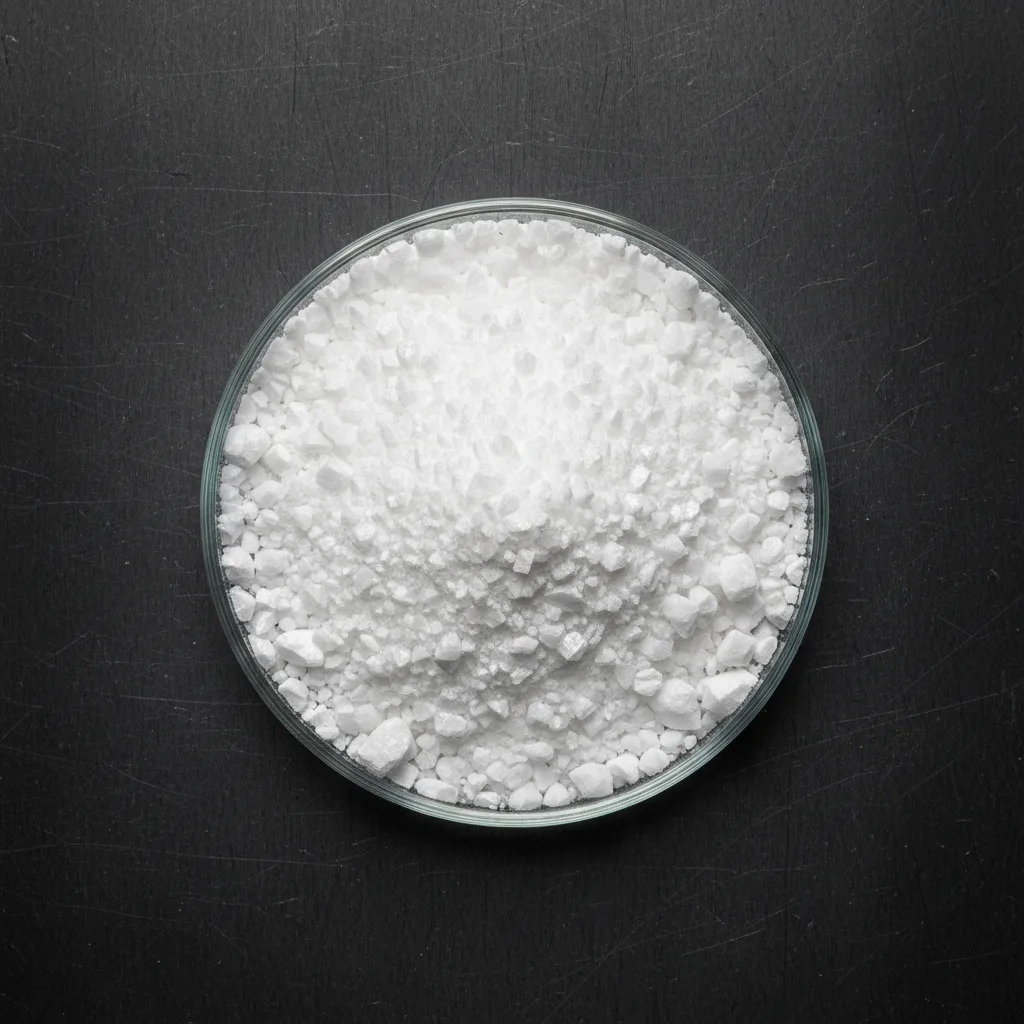
Potassium Nitrate
Explore potassium nitrate grades, chemical properties, and industrial and agricultural applications, alongside procurement guides from Moltichem.
Potassium nitrate is one of the most strategic inorganic compounds across the chemical, metallurgical, and agricultural industries. Bearing the chemical formula KNO₃, this mineral salt is a rich, highly soluble source of potassium and nitrogen that also delivers distinct oxidizing properties. Due to its physical stability and high solubility in hot water, it plays a vital role in precise industrial formulations. Depending on process sensitivities, various sectors require specific grades of this compound tailored to defined purity levels and particle-size distributions.
Potassium Nitrate Across Diverse Industries
As one of the core derivatives within the nitrates portfolio, this salt is utilized across an extensive range of manufacturing processes. Multiple industries capitalize on its oxidizing capabilities, thermal stability, and essential nutrient profile:
- Agriculture and Horticulture: Used as a chloride-free, fast-absorbing nitrogen-potassium fertilizer, ideal for improving fruit quality and maximizing greenhouse yields.
- Glass and Ceramics: Enhances the mechanical strength of specialty industrial glass through ion-exchange processes and imparts clarity to ceramic glazes.
- Metallurgy and Heat Treatment: Employed in molten salt baths for quenching, steel hardening, and surface structure modification of advanced alloys.
- Pharmaceuticals and Personal Care: Serves as an active ingredient in desensitizing toothpastes and formulations designed to regulate osmotic pressure.
Manufacturing Methods and Quality Determinants
The ultimate quality of this salt depends heavily on its synthesis route, purification efficiency, and crystallization regime. A review of Potassium Nitrate Production Methods: Synthesis and Industrial Processes demonstrates that metathesis reactions (double displacement) between chloride and nitrate salts are among the most common industrial production methods. Variations in solution cooling rates and recrystallization stages dictate crystal size as well as residual impurity levels, such as sodium and heavy metals.
For advanced industrial applications, parameters like structural moisture, particle size distribution, and free-flowing crystalline behavior are of critical importance. To develop a deeper technical understanding of general chemical parameters, explore our Learning Center. These insights ensure precise alignment between raw material specifications and plant processing equipment.
Guide to Selecting and Procuring Standard-Grade Material
Selecting the appropriate material requires careful evaluation of downstream process conditions and technical requirements. In fertilizer manufacturing, complete solubility and the absence of nozzle-clogging insolubles are paramount. Conversely, glassmaking and pyrotechnic facilities prioritize minimum moisture content and consistent oxidizing purity.
Prior to procurement, reviewing the certificate of analysis (COA), free chloride content, and physical granulometry is essential to maintain optimal production efficiency. Technical specialists at Moltichem are available to review your tailored specifications. To examine detailed product data sheets and submit a procurement inquiry, please visit the potassium nitrate product page directly.